I am so tired of seeing those “budget meal prep” videos where someone spends three hours—and sixty dollars—sourcing organic microgreens and artisanal grains just to show you how to save money. It’s exhausting, and frankly, it’s a lie. If you’re looking for a way to master how to cook on a budget without turning your kitchen into a high-end boutique or a Pinterest-perfect stage set, you’re in the right place. I grew up in a tiny apartment where we didn’t have a pantry full of specialty spices; we had a single bottle of soy sauce, some dried lentils, and the sheer willpower to make it taste like something.
I’m not here to sell you on a lifestyle you can’t maintain when you’re exhausted after a ten-hour workday. Instead, I want to share the actual, unglamorous systems I use to keep my fridge stocked and my sanity intact. We’re going to focus on functional cooking: building repeatable meal frameworks, leveraging pantry staples, and making decisions that actually fit into a real-world schedule. No aesthetic, no fluff—just practical strategies that work when life gets messy.
Table of Contents
Smart Grocery Shopping on a Budget for Real Life
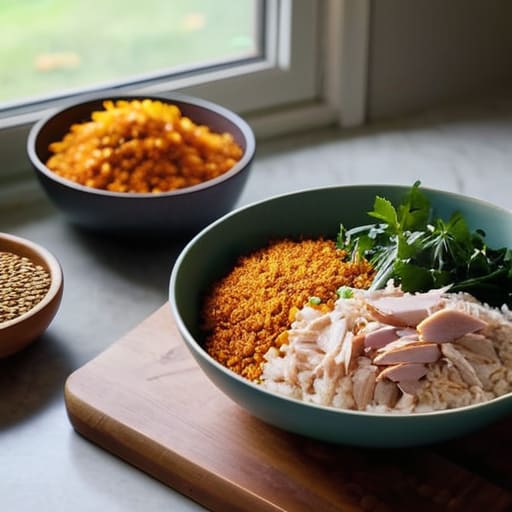
Look, I’ve spent way too many Tuesday nights staring blankly into a fridge that contained nothing but half an onion and a jar of pickles because I didn’t have a plan. The secret isn’t about scouring every flyer for a nickel’s difference; it’s about building a system. Start with meal planning for beginners by focusing on “anchor ingredients”—things like a big bag of rice, dried lentils, or seasonal greens—that can be repurposed in three different ways. If you buy a rotisserie chicken on Monday, it’s a main dish; by Wednesday, it’s shredded taco filling.
When you actually hit the aisles, try to shop your pantry first. I always grab my notebook to check what I already have so I don’t double up on things I’m already stocked on. Investing in affordable pantry staples like canned beans, oats, and spices is basically like putting money in a high-interest savings account for your future hunger. It feels like a bit more effort upfront, but it’s the only way to stop the “emergency takeout” cycle that drains your bank account.
Meal Planning for Beginners Who Actually Have a Schedule
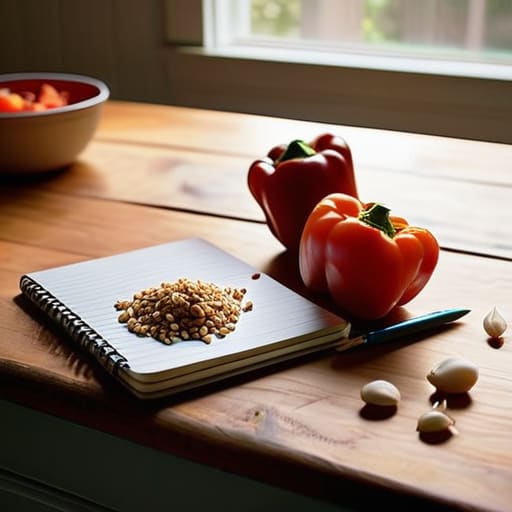
Look, I used to think meal planning meant spending my entire Sunday afternoon meticulously chopping vegetables and prepping twenty identical Tupperware containers. It was exhausting, and by Tuesday, I was already ordering takeout because the “system” felt like a second job. If you’re looking into meal planning for beginners, please do yourself a favor: ditch the Pinterest-perfect aesthetics. Real meal planning is just about making a rough roadmap so you aren’t standing in front of an open fridge at 7:00 PM wondering why you have nothing to eat.
Instead of a rigid menu, try building a “modular” plan. Pick two or three affordable pantry staples—like lentils, rice, or canned chickpeas—and decide how you’ll rotate them throughout the week. This is where bulk cooking strategies actually save your sanity; you aren’t cooking five different recipes, you’re just prepping components that can be swapped around. If you make a big pot of seasoned beans on Monday, they can be a taco filling on Tuesday and a hearty soup base on Thursday. It’s not fancy, but it’s a system that actually fits into a real schedule.
Five Ways to Actually Eat Well Without Going Broke
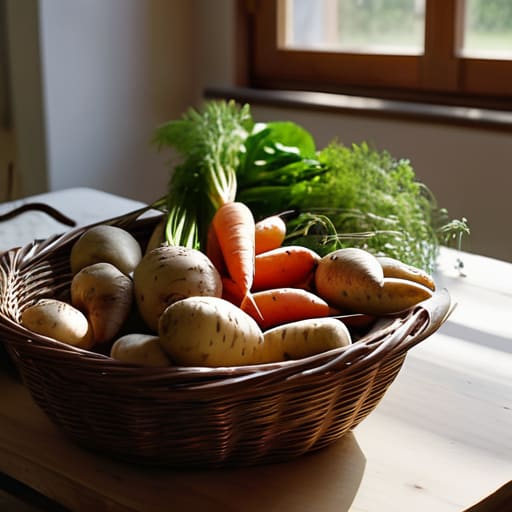
- Stop buying “specialty” ingredients for recipes you’ll only make once. If a recipe calls for a specific, expensive spice or a niche sauce you’ll never use again, find a substitute in your pantry or skip it. Stick to the staples that play well with others—think garlic, onions, and basic spices—so you aren’t flushing money down the drain for a single meal.
- Embrace the “Component Method” instead of rigid recipes. Instead of committing to a complex lasagna, just cook a big batch of roasted veggies, a pot of grains, and some protein. You can mix and match them throughout the week with different sauces so you don’t feel like you’re eating the same sad leftovers every single day.
- Frozen is your best friend, and no, it’s not “cheating.” Frozen vegetables and fruits are often more nutrient-dense than the stuff that’s been sitting on a grocery shelf for a week, and they won’t rot in your crisper drawer because you had a long day at work. It’s a massive way to reduce waste, which is basically just throwing money in the trash.
- Learn the art of the “pantry pivot.” Before you head to the store, look at what you actually have. That half-empty jar of marinara and that lonely can of chickpeas can become a surprisingly decent pasta dish. Building a system around what you already own is the fastest way to lower your grocery bill.
- Buy your heavy hitters in bulk, but be smart about it. Things like rice, dried beans, oats, and lentils are incredibly cheap when you buy them in larger quantities and they have a massive shelf life. They are the foundation of a functional kitchen—they fill you up, they’re cheap, and they don’t require a master’s degree to prepare.
The Reality of the Kitchen
Forget the Pinterest-perfect meal prep containers and the $200 grocery hauls; cooking on a budget isn’t about being a gourmet chef, it’s about building a repeatable system that keeps you fed without draining your bank account or your sanity.
Audrey Lin-McCallum
Cutting the Chaos, Not the Flavor
Look, we’ve covered a lot of ground, from navigating the grocery aisles without losing your mind to building a meal plan that doesn’t fall apart the second you have a long workday. The takeaway isn’t that you need to become a gourmet chef or spend your entire Sunday meal-prepping twenty identical containers of kale. It’s about the small, repeatable systems—the way you shop, the way you stock your pantry, and the way you give yourself permission to keep things simple. If you can master the basics of smart shopping and a flexible plan, you’ve already won the hardest battle against the rising cost of living.
At the end of the day, please remember that a bowl of seasoned lentils is a massive win, even if it doesn’t look like a Pinterest board. We aren’t aiming for a curated, “aesthetic” kitchen; we are aiming for a functional life where you aren’t stressed about your bank account every time you get hungry. Be kind to yourself on the days when the system fails and you end up ordering takeout. Just pick up the multi-tool, reset your plan, and start again tomorrow. You’ve got this, one manageable meal at a time.
Frequently Asked Questions
How do I actually stop wasting food when I buy ingredients for specific recipes?
The “recipe trap” is real. We buy a bunch of niche ingredients for one specific dish, and suddenly a half-used jar of tahini is staring at us from the back of the fridge for three months.
Is it even possible to eat healthy on a budget, or am I just going to be living on ramen and canned beans?
Look, I get it. The “budget diet” stereotype is basically just a mountain of instant ramen and enough canned beans to fuel a small army. But honestly? It’s totally possible to eat well without draining your savings. It’s less about deprivation and more about shifting your focus to staples that actually have nutritional value—think frozen veggies, lentils, and eggs. We aren’t aiming for organic, farm-to-table perfection; we’re just aiming for fuel that works.
What do I do when my "plan" falls apart because I'm too exhausted to cook after work?
Look, I’ve been there. You stare at a pile of raw ingredients and just… can’t. When the plan fails, stop fighting it. This is where “emergency meals” come in. Keep a stash of low-effort staples—think frozen dumplings, jarred pesto, or even just eggs and toast. It’s not a culinary masterpiece, but it’s fuel. Don’t let a bad Tuesday turn into a week of takeout guilt. Just eat, rest, and reset tomorrow.