I was standing in my kitchen last Tuesday, staring at a bag of slimy, expensive spinach that I’d bought with the best of intentions, and I felt that familiar, sinking sense of failure. We’ve all been there—the “aspirational grocery haul” that ends up as a science experiment in the crisper drawer. Most advice on how to reduce food waste feels like it was written for someone with a personal chef and sixteen hours of free time a day, telling you to buy specialized airtight containers or spend your entire Sunday color-coding glass jars. Honestly? That’s just more work added to an already overflowing plate, and it’s not a sustainable way to live.
I’m not here to sell you on a lifestyle overhaul or a perfectly curated, aesthetic pantry that looks great on Instagram but fails the moment you have a busy work week. Instead, I want to share the small, slightly messy, and highly functional systems I’ve actually used to stop throwing money in the trash. We’re going to focus on low-effort habits and realistic kitchen management that fits into a real, hectic schedule. No fluff, no expensive gadgets—just practical ways to make your food last longer so you can actually use what you buy.
Table of Contents
Meal Planning for Beginners That Actually Fits Your Life
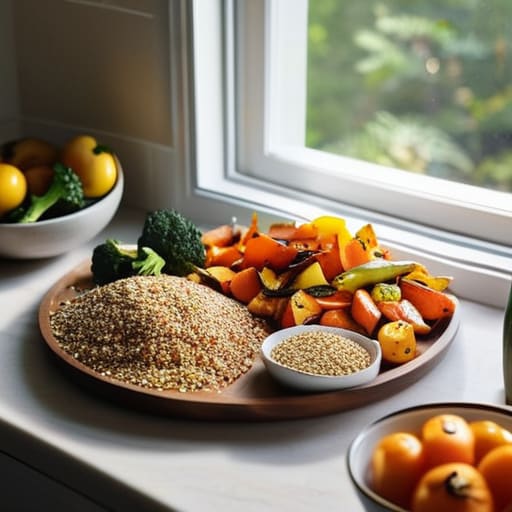
Look, I used to think meal planning meant spending my entire Sunday afternoon portioning out identical Tupperware containers of steamed broccoli and dry chicken. It was exhausting, and by Wednesday, I was already ordering takeout because my “system” felt like a chore. If you want to succeed with meal planning for beginners, you have to ditch the rigid schedules. Instead, try a “component” approach. Roast a big tray of veggies, cook a batch of grains, and prep one protein. This gives you the flexibility to mix and match throughout the week without feeling like you’re stuck in a culinary prison.
The real secret to reducing grocery expenses isn’t just about what you buy, but how you look at what you already have. Before you even touch your grocery list, do a quick inventory of your pantry and fridge. It’s much easier to build a meal around that half-jar of salsa and the wilted spinach than it is to buy new ingredients only to let them rot in the crisper drawer. Focus on building a rotation of meals you actually enjoy eating, rather than trying to follow a recipe that requires a specialized spice you’ll only use once.
Reducing Grocery Expenses Without the Aesthetic Stress
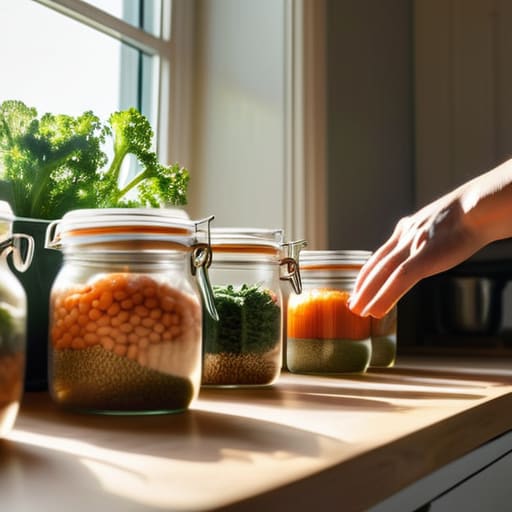
Look, we’ve all been there: you walk into the grocery store with a grand vision of organic kale and exotic grains, only to come home with a mountain of produce that wilts before you even find your Tupperware. The secret to reducing grocery expenses isn’t about buying more; it’s about buying smarter. Stop falling for those “buy one, get one free” deals on things you know you won’t eat by Thursday. I’ve learned the hard way that a bargain is actually a loss if it ends up in the bin. Instead, try a “pantry-first” approach where you audit what you already have before you even grab your keys.
Once you actually get the food home, the real work begins. You don’t need a $500 vacuum sealer to make things last; you just need to master a few proper food storage techniques. For example, keeping your herbs in a glass of water like a bouquet or tucking your greens into a damp paper towel can buy you an extra week of life. It’s not about being a domestic goddess; it’s just about making your groceries work harder for your bank account.
Five Low-Effort Hacks to Stop Your Produce from Turning into Science Experiments
- Shop your own pantry before you hit the store. I used to go to the supermarket with a massive mental list, only to realize halfway through that I already had three jars of marinara and a bag of lentils hiding in the back of the cupboard. Check what you actually have first so you aren’t buying duplicates of things you’ll never get around to using.
- Treat your fridge like a “use it or lose it” zone. Designate one specific shelf or a clear bin for the stuff that’s starting to look a little sad. If those spinach leaves are wilting or that bell pepper is getting soft, they go in the “Eat Me Now” bin. It takes the guesswork out of deciding what’s for dinner when you’re tired.
- Master the art of the “Everything” soup or stir-fry. You don’t need a recipe for this; you just need a pan. Almost any vegetable that’s lost its crunch can be chopped up, tossed into a broth or a sauce, and eaten. It’s the easiest way to clear out the crisper drawer without feeling like you’re wasting a meal.
- Learn to love your freezer. If you realize you aren’t going to eat that loaf of bread or that half-bag of peas by tomorrow, don’t let them sit there and rot. Most things—from herbs in olive oil to leftover sauce—freeze beautifully. It’s basically a “pause button” for your groceries.
- Stop buying “just in case” produce. We’ve all done it—buying a giant bag of kale because we intend to be the kind of person who makes green smoothies every morning. But if you don’t actually eat kale regularly, stop buying it. Stick to the staples you know you’ll actually finish, rather than buying for the person you wish you were.
The Real Secret to a Functional Fridge
“Stop treating your kitchen like a high-stakes performance where every meal has to be a masterpiece; just learn to love your leftovers and treat your fridge like a living system that needs maintenance, not a museum for expensive ingredients you’ll never actually cook.”
Audrey Lin-McCallum
Cutting the Waste, Keeping Your Sanity
Look, we’ve covered a lot of ground, from ditching the unrealistic meal prep fantasies to actually making your grocery runs work for your bank account instead of against it. At the end of the day, reducing food waste isn’t about achieving some flawless, zero-waste lifestyle that looks good on a grid; it’s about building systems that actually stick. Whether that means finally eating the wilted spinach before it turns into a science experiment or just being more intentional about what you toss into your cart, every small adjustment counts. It’s about moving away from the guilt of a full trash can and toward a functional kitchen that serves you, rather than one that constantly demands your attention and your money.
If you feel overwhelmed by the idea of changing everything at once, please just stop. You don’t need to overhaul your entire pantry by Monday morning. Just pick one thing—maybe it’s a dedicated “eat me first” bin in the fridge or simply checking your cupboards before you head to the store—and start there. We aren’t aiming for perfection here; we are just aiming for better than yesterday. Life is messy, and your kitchen will be too, but when you start managing your resources with a little bit of pragmatism, you’ll find that the mental load gets a whole lot lighter. You’ve got this.
Frequently Asked Questions
How do I actually manage a "use it or lose it" list without it feeling like another overwhelming chore on my to-do list?
Look, if a formal spreadsheet feels like a second job, don’t do it. Instead, grab a dry-erase marker and write your “eat me first” items directly on your fridge. It’s a visual nudge that doesn’t require opening an app. Or, just dedicate one specific bin in your fridge to the “about to expire” items. If it’s in the bin, it’s on the menu. Keep it low-tech and low-friction so it actually sticks.
What are some realistic ways to store produce so it doesn't turn into a science experiment in my crisper drawer by Wednesday?
First, ditch the plastic bags; they’re basically little humid greenhouses for mold. If you’ve got leafy greens, give them a quick rinse, pat them dry, and tuck them into a container lined with a paper towel to soak up the excess moisture. For berries, keep them dry and only wash them right before you eat them. And please, for the love of everything, keep your onions and potatoes in separate dark spots—unless you want sad, sprouted vegetables.
I'm not a chef—how can I use up random leftovers or wilting veggies without spending an hour following a complicated recipe?
Look, you don’t need a culinary degree to save a sad-looking bell pepper. Think of your kitchen as a series of “assemblies” rather than recipes. If veggies are wilting, toss them into a quick sauté or throw them in a pan with some broth for a five-minute soup. Leftovers? Throw them over rice, fold them into an omelet, or pile them on a toasted bagel. If it’s edible and tastes good, it’s a win.