Can we please stop pretending that you need a $600 Italian espresso machine and a degree in fluid dynamics just to enjoy a morning caffeine fix? I spent way too many years thinking that if I wasn’t weighing my beans to the exact milligram or using water filtered through a specific volcanic rock, I was somehow failing at the ritual. But honestly, the sheer amount of gear-obsessed gatekeeping surrounding how to make coffee at home is exhausting. Most of that expensive equipment is just clutter that takes up precious counter space and adds unnecessary stress to an already hectic morning.
I’m not here to sell you on a lifestyle you can’t maintain or a curated aesthetic that requires a professional barista’s schedule. Instead, I want to show you how to build a coffee routine that actually works for your real, messy, busy life. We’re going to focus on the small, manageable wins—the simple tweaks to your technique and the basic tools that actually make a difference in flavor. My goal is to help you master the basics so you can get a damn good cup of coffee without ruining your morning routine in the process.
Table of Contents
The Essential Coffee Brewing Equipment for Real Life Mornings
Look, I’m not here to tell you that you need a $1,500 espresso machine sitting on your counter like a shiny, expensive paperweight. Most of us are just trying to get through a Tuesday without a caffeine-induced headache, so let’s focus on the essential coffee brewing equipment that actually makes a difference. At the very least, you’ll want a reliable brewer—whether that’s a simple French press for those slow Saturday mornings or a standard drip machine for the weekday rush. If you’re feeling a bit more adventurous, a pour-over setup is a game changer, but even that doesn’t require a degree in chemistry to master.
The real secret to improving coffee flavor profile without breaking the bank, though, isn’t the machine itself—it’s what you put into it. If you really want to level up, invest in a decent burr grinder. Consistency is everything; if your grounds are uneven, your coffee will taste both bitter and sour at the same time, which is a recipe for a bad mood. Also, please, for the love of all things caffeinated, stop using that lukewarm tap water. A simple electric kettle that lets you control the heat can transform your morning from “fine” to “actually delicious.”
Finding the Best Coffee Brewing Methods for Your Schedule
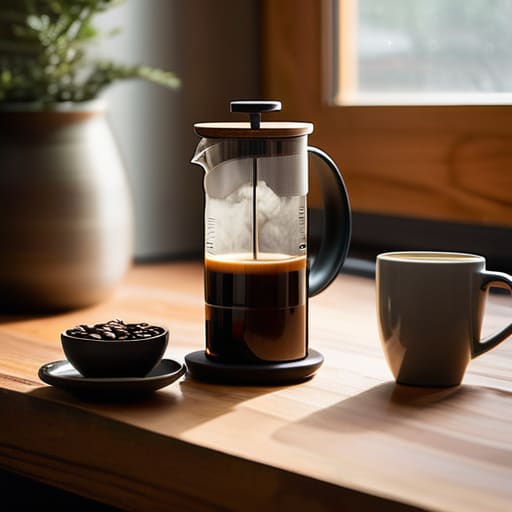
Here’s the deal: not everyone has twenty minutes to play barista before their first Zoom call. If you’re someone who hits snooze three times, you need a method that works with your chaos, not against it. For the ultra-rushed, a French press is a lifesaver because it’s forgiving and incredibly low-effort, though you do have to keep an eye on the steep time. If you’re more of a “set it and forget it” person, an Aeropress is my personal go-to; it’s virtually indestructible and cleans up in about ten seconds, which is a huge win for my tiny kitchen.
If you actually enjoy the ritual and have a bit more breathing room, exploring different best coffee brewing methods like a pour-over can really transform your morning. This is where you start improving coffee flavor profile nuances by paying attention to things like your pour technique. It’s a bit more involved, but if you find that rhythm, it becomes a meditative moment rather than another chore on your to-do list. Ultimately, the goal is to find the sweet spot between quality and convenience.
Small Tweaks for a Much Better Cup
- Stop using that old bag of pre-ground dust. If you can swing it, grab a decent burr grinder; it’s the single biggest way to make your morning coffee taste less like disappointment and more like an actual treat.
- Treat your water like an ingredient, not just a utility. If your tap water tastes like a swimming pool, your coffee will too. Use a simple filtered pitcher—it’s a low-effort hack that changes everything.
- Get a cheap digital scale. I know, I know, it sounds a little “science experiment,” but measuring your coffee and water by weight instead of “eyeballing it” takes the guesswork out of the equation so you aren’t stuck with a bitter mess.
- Clean your gear as you go. I’ve learned the hard way that old, oily residue from yesterday’s brew is the enemy of a fresh cup. A quick rinse with hot water makes a world of difference.
- Don’t overcomplicate the temperature. You don’t need a $200 gooseneck kettle to get it right; just let your boiling water sit for about thirty seconds before you pour. It prevents you from scorching the beans and ruining the flavor.
The Reality of the Morning Brew
“Your morning coffee shouldn’t feel like another high-stakes project on your to-do list; it’s just about finding a reliable ritual that actually fits into your life, not a lifestyle magazine.”
Audrey Lin-McCallum
Finding Your Flow
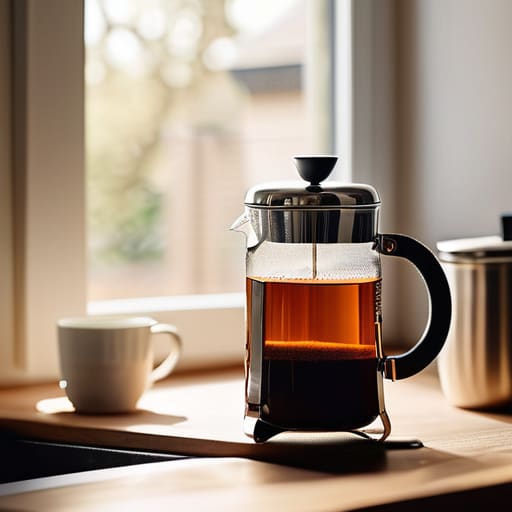
At the end of the day, making coffee at home isn’t about mastering a complex chemistry experiment or owning every gadget on the market. It’s really just about picking a method that fits into the actual gaps in your schedule—whether that’s a quick pour-over when you have ten minutes to breathe or a sturdy French press for those slow Sunday mornings. We’ve talked about the essential gear and matching your brewing style to your lifestyle, so the hard part is over. You don’t need a professional barista setup to get a decent cup; you just need a system that works for you instead of adding more clutter to your kitchen counters.
My best advice? Don’t let the pursuit of the “perfect” brew become another item on your overwhelming to-do list. If you find a way to make a cup that tastes good and doesn’t make you late for work, you’ve already won. Life is messy, and our morning routines should be allowed to be a little bit messy, too. Focus on the small, functional wins and let the rest go. Once you find your rhythm, that first sip won’t just be about the caffeine—it’ll be about that quiet moment of control you’ve carved out for yourself before the rest of the world starts demanding your attention.
Frequently Asked Questions
Is it actually worth buying expensive beans, or can I just make the supermarket stuff taste better?
Look, I’m all for being pragmatic, and I know that $25 bag of specialty beans can feel like a scam when you’re just trying to wake up. Here’s the truth: better beans do the heavy lifting for you. If you’re on a budget, don’t sweat the fancy labels, but try to avoid the stale stuff in the bottom aisle. A decent mid-range bag will always beat supermarket sludge, no matter how much you tweak the technique.
How do I clean all this gear without it becoming another overwhelming chore on my to-do list?
Look, I get it. You finally bought the gear, and now you’re staring at a pile of contraptions thinking, “Great, more things to scrub.” Don’t let it become a project. The trick is to tie cleaning to your existing routine. Rinse your carafe while the coffee is actually brewing, and keep a dedicated micro-fiber cloth right by the machine. If you clean as you go, it’s just a thirty-second habit, not a weekend chore.
I have zero counter space—what’s the most compact setup that won't make my kitchen look like a cluttered cafe?
I feel this in my soul. When you’re working with tiny counters, every gadget feels like a personal attack on your sanity. Honestly? Skip the bulky machines. Grab an AeroPress or a simple pour-over dripper. They’re tiny, they tuck away in a drawer easily, and they don’t scream “cluttered cafe.” Pair that with a small electric kettle, and you’ve got a high-quality setup that lives in a corner rather than taking over your entire life.