I still remember the time I tried to fix a loose cabinet hinge in my first tiny apartment, armed with nothing but a butter knife and a prayer. I ended up stripping the screw so badly that the whole door practically fell off, leaving me staring at a pile of wood shards and feeling like a complete failure. It wasn’t that I lacked ambition; I just lacked the right gear. Most people think you need to drop a thousand dollars at a big-box hardware store to get started, but that’s a total myth. You don’t need a garage full of specialized machinery to be capable; you just need a curated set of essential tools for diy that actually solve real-world problems without breaking your budget or your spirit.
I’m not here to sell you on a lifestyle of pristine, white-walled workshops or expensive power tools you’ll use exactly once. My goal is to give you a functional toolkit—the kind of reliable, no-nonsense gear that helps you tackle a mid-week repair or a weekend upcycle without the unnecessary overwhelm. We’re going to focus on the stuff that actually works when you’re in the thick of it.
Table of Contents
Building Your First Home Improvement Starter Kit
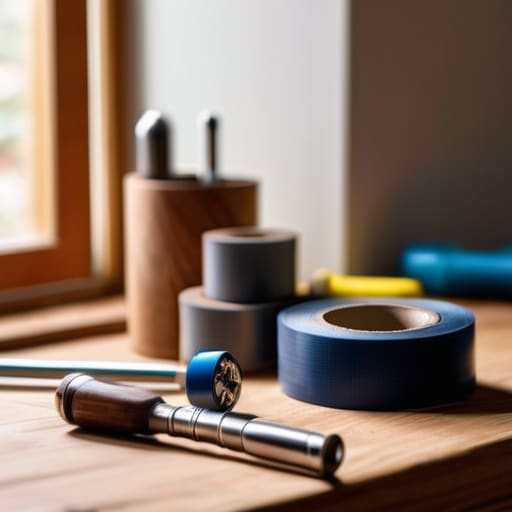
Look, I get it. Walking into a hardware store can feel like being interrogated by a very expensive, very intimidating expert. You see rows of shiny gadgets and suddenly feel like you can’t even hang a picture frame without a specialized laser level. But here’s the truth: you don’t need a professional-grade garage to start fixing things around your apartment. When I was first starting out in my tiny studio, I learned that a solid home improvement starter kit is really just about having the basics that won’t fail you when you’re in the middle of a project.
Start with the tactile stuff first. I always suggest prioritizing quality hand tools over anything motorized when you’re just beginning. While it’s tempting to grab a cheap cordless drill right away, you’ll actually get more done—and feel less frustrated—by mastering a decent screwdriver set, a hammer that doesn’t vibrate your teeth out of your skull, and a reliable tape measure. Think of these as your essential home maintenance gear; they are the reliable workhorses that handle 90% of the small fixes that actually pop up during a busy week.
Hand Tools vs Power Tools Choosing What Actually Works
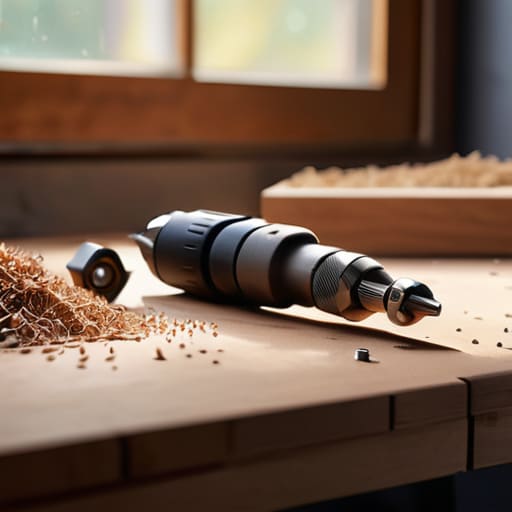
When you’re staring at a pile of half-finished projects, the debate of hand tools vs power tools can feel a bit overwhelming. I used to think I needed a heavy-duty drill for every single task, but I quickly learned that more isn’t always better. Hand tools are your best friends for precision and those quick, “I just need to tighten this one screw” moments. They’re quiet, they don’t require a charging station, and they won’t accidentally tear through your drywall if you lose focus for a second.
That said, if you’re diving into something more substantial, like building a bookshelf or tackling some beginner woodworking equipment tasks, power tools are non-negotiable. They save your wrists from unnecessary strain and turn a three-hour ordeal into a twenty-minute win. The trick is finding the middle ground. You don’t need a garage full of expensive machinery; you just need a few reliable electric drivers and a solid set of manual drivers to round out your essential home maintenance gear. It’s all about choosing the right tool for the specific job, rather than buying everything because it looked cool in a commercial.
Five Ways to Shop Smarter (Without Breaking the Bank or Your Spirit)
- Buy for the project you have, not the one you dream of. It’s tempting to drop $300 on a professional-grade miter saw because you saw a cool reel of someone building a bookshelf, but if you just need to trim a piece of molding, a simple hand saw will do. Don’t let “aspirational shopping” clutter your closet and your budget.
- Quality over quantity is my golden rule. I’d much rather own one screwdriver that doesn’t strip the screw head the second things get difficult than a massive, cheap 50-piece set that feels like it’s made of recycled soda cans. If you can afford to spend a little extra on the tool you’ll use most, do it.
- Don’t sleep on the “boring” stuff like measuring tapes and levels. You can have the most expensive drill in the world, but if your measurements are off by a quarter inch or your shelf is leaning slightly to the left, the whole project is going to feel “off.” Precision is what makes a DIY job look like a pro job.
- Borrow before you buy. We live in a world of hyper-consumption, but if you only need a heavy-duty drill or a specialized sander once every two years, ask a neighbor or check your local tool library. It saves space in my tiny apartment, and honestly, it’s a great excuse to actually talk to the people living next to me.
- Organization is a tool in itself. There is nothing more soul-crushing than being halfway through a fix and realizing you can’t find your pliers. Get a decent, sturdy toolbox or even just a few clear bins. If you can’t see it and reach it, you won’t use it, and it’ll just become more expensive clutter.
The Philosophy of the Toolbox
“Don’t get caught up in the trap of buying every shiny gadget in the aisle just because it looks good on a shelf. A real toolkit isn’t about having everything; it’s about having the right things that actually show up for you when a shelf collapses or a faucet starts leaking at 9:00 PM on a Tuesday.”
Audrey Lin-McCallum
The Real Goal Isn't a Perfect Toolbox
At the end of the day, don’t let the sheer volume of hardware store aisles intimidate you. We’ve covered everything from the foundational hand tools that every apartment needs to the power tools that actually save you time when you’re staring down a weekend project. You don’t need a garage full of professional-grade equipment to be “handy.” You just need a curated collection of reliable gear that covers your bases—the basics like a solid screwdriver set, a reliable drill, and a measuring tape that doesn’t snap the moment you look at it. Remember, it’s better to own three tools you actually use than thirty that just collect dust and take up precious shelf space.
My best advice? Start small and let your projects dictate your next purchase. There is a specific kind of magic that happens when you stop waiting for a “perfect” setup and just start fixing things with what you have on hand. Whether you’re tightening a loose cabinet hinge or finally tackling that thrifted dresser, every small win builds a kind of functional confidence that no curated Instagram feed can provide. You aren’t just building furniture or repairing walls; you’re building a life that works for you. So, grab your multi-tool, pick one small thing that’s been bothering you, and just get started.
Frequently Asked Questions
I don't have a lot of storage space; what are the absolute must-haves that I can actually tuck away in a drawer or a small bin?
If you’re working with limited square footage—trust me, I get it—you have to prioritize versatility over quantity. Skip the bulky toolboxes and grab a high-quality multi-tool and a precision screwdriver set; they live easily in a junk drawer. I also swear by a compact tape measure and a decent utility knife. These are the heavy hitters that solve 90% of my “oops” moments without demanding their own dedicated closet.
Should I invest in the expensive professional-grade stuff right away, or is it better to start with cheaper tools and upgrade as I learn?
Look, I get the temptation to go buy the professional-grade kit and feel like a real contractor, but let’s be real: your budget probably has better things to do. Start with decent mid-range tools. They’re reliable enough for most weekend fixes without breaking your bank. As you actually start using them—and you will—you’ll learn exactly which specific tools you use most. That’s when you invest in the heavy-duty stuff. Buy for your current skill, not your future ego.
If I'm only planning on doing occasional repairs and small decor projects, can I get away with just a basic toolkit, or am I going to regret not having more?
Honestly? You can absolutely get away with a basic kit. I used to think I needed a workshop to be “real,” but most of my life is just tightening a loose cabinet handle or hanging a heavy mirror. Don’t go overboard buying specialized gadgets you’ll use once a year. Stick to the essentials, and if a project suddenly demands something more heavy-duty, just borrow it or rent it. Better to have a small, reliable kit than a drawer full of junk.