We’ve all been there: it’s 7:00 PM, you’re exhausted from a long day of freelance calls, and the only thing standing between you and a decent meal is the realization that your kitchen is essentially a desert. You stare into the cabinet, hoping for a miracle, but all you find is a single, lonely packet of taco seasoning and some expired crackers. It’s in those moments of total decision fatigue that I realize how much my sanity depends on having a few reliable pantry staples to always have on hand. I’m not talking about a massive, color-coded organization system that takes three hours to maintain; I’m talking about the bare essentials that prevent a grocery run from becoming an emergency mission.
In this post, I’m stripping away the fluff and sharing my personal “survival kit” of five items that actually make a difference. These aren’t just random ingredients; they are the building blocks that turn a random assortment of leftovers into a real meal. By the time you finish reading, you’ll know exactly what to keep in your cupboard so you can stop stressing about “what’s for dinner” and start actually enjoying your evening.
Table of Contents
The Reliable Grain Base
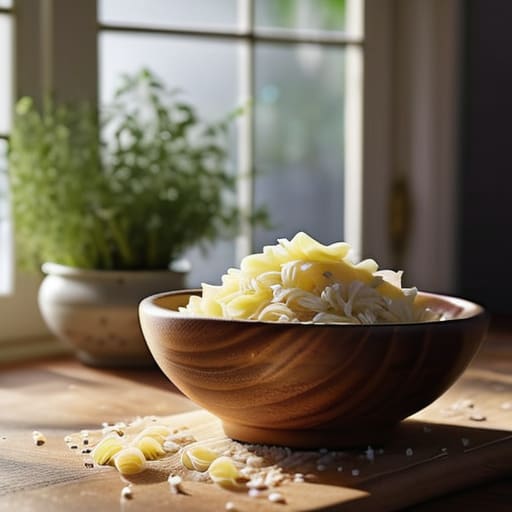
Look, I don’t care if you have a fancy quinoa blend or a mountain of farro; you need a solid, reliable grain that can carry you through a Tuesday night when you’re too tired to even look at a recipe. For me, that’s always a decent quality jasmine rice or a sturdy pasta shape. These aren’t just fillers; they are the foundation of a meal that can be dressed up or down depending on how much mental energy you have left.
The Flavor Lifesavers
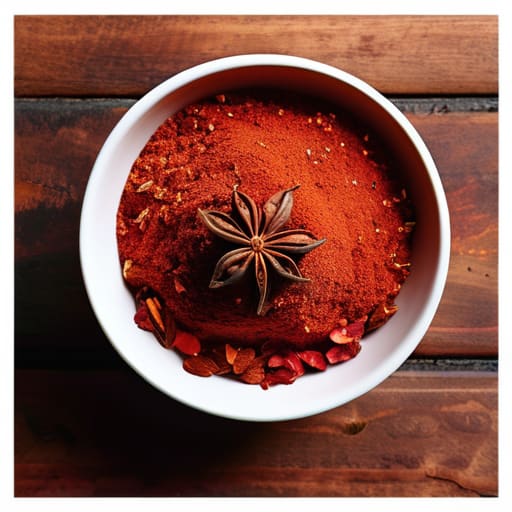
If your pantry is just a collection of bland powders, your cooking is going to feel like a chore. I’ve learned the hard way that having a few high-impact flavor boosters can turn a sad, lonely bowl of beans into something that actually feels like a real meal. I’m talking about things like good old-fashioned garlic powder, smoked paprika, or even a decent jar of red pepper flakes.
Canned Goods That Actually Work
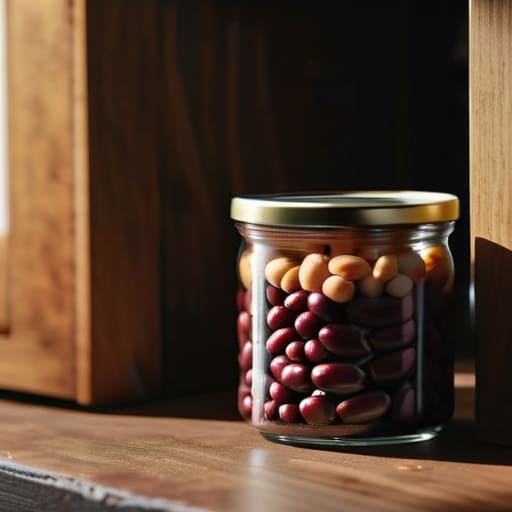
Canned beans and crushed tomatoes are the unsung heroes of a functional kitchen. I keep a rotation of chickpeas, black beans, and kidney beans in the back of my cupboard because they are essentially instant protein with zero prep time. They don’t expire tomorrow, they don’t require washing, and they don’t demand your undivided attention.
The Liquid Gold Factor
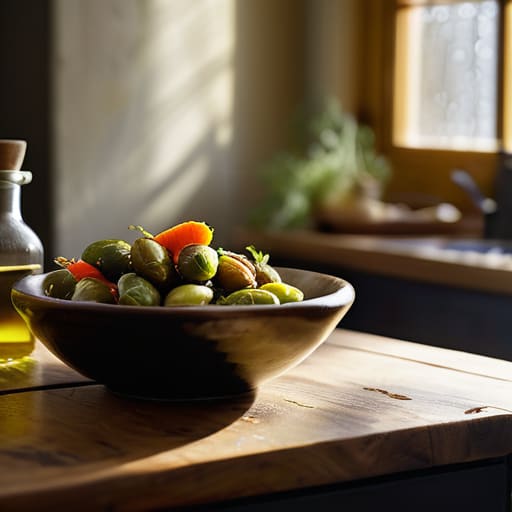
I know, it sounds a bit dramatic, but a decent bottle of extra virgin olive oil and a high-quality vinegar are the two things I refuse to run out of. These aren’t just ingredients; they are the tools that bridge the gap between “ingredients sitting in a bowl” and “actual food.” A quick drizzle of oil and a splash of acid can make even the simplest roasted vegetables taste like you actually tried.
The "Just Add Water" Proteins
There are days when my brain is so fried from project management that the idea of defrosting meat feels like an impossible mountain to climb. This is why I always keep a few packs of tuna or some dried lentils in the pantry. They are shelf-stable, easy to store in my small kitchen, and they provide that essential satiety that keeps me from snacking on random crackers all evening.
The Philosophy of the Pantry
“A good pantry isn’t about having a curated collection of expensive spices for a recipe you’ll never actually make; it’s about having the right tools on hand so that when a Tuesday feels like a disaster, you can still make a decent meal without losing your mind.”
Audrey Lin-McCallum
Don't Stress the Perfection
At the end of the day, having these five staples—from your reliable grains to those versatile oils—isn’t about running a professional kitchen or achieving some unattainable level of organization. It’s really just about building a safety net for those Tuesday nights when you’re too tired to meal prep and the last thing you want to do is trek to the grocery store. By keeping these basics on hand, you’re essentially buying yourself extra time and mental energy for the things that actually matter, rather than letting a missing ingredient derail your entire evening.
Please, don’t feel like you have to overhaul your entire kitchen overnight to make this work. If you only have the energy to grab one or two items on your next run, that is a massive win in my book. We aren’t aiming for a showroom-ready pantry; we are just trying to create a space that supports the life you’re actually living. Start small, keep it functional, and remember that progress is better than perfection every single time. You’ve got this.
Frequently Asked Questions
How do I know if these items are still good to use if I don't cook every single day?
Look, I get it. When you aren’t cooking every night, those bags of lentils or jars of spices can start feeling like they’re just collecting dust. Here’s my rule of thumb: trust your nose and your eyes, but don’t overthink it. For dry goods, check for weird smells or actual bugs. For spices, if they don’t smell like anything, they’re just dead—still safe, just useless. If it looks or smells funky, toss it. Better to waste five bucks than a whole meal.
Is it worth buying the name brands, or can I just grab whatever is on sale at the grocery store?
Honestly? Don’t get caught up in the brand wars. For most basics—think canned beans, salt, or even pasta—the store brand is a total win for your budget. I usually only spring for name brands if it’s something where the texture or flavor really matters, like a specific olive oil or high-quality chocolate. Otherwise, grab whatever’s on sale. We’re building systems that work, and saving five bucks on chickpeas is definitely part of that.
How much of each should I actually keep on hand so I'm not wasting money on stuff that just sits there?
Look, I’m not a fan of the “stockpile everything” mentality—it’s just money sitting in a dark cupboard collecting dust. For most of these, I aim for a “one-in, one-out” rule. Keep one unopened backup of your dry goods (like pasta or rice) and one active container in use. If you’re down to the last bit of your backup, add it to the grocery list. It keeps the clutter down and your budget intact.