I still remember the heartbreak of my first apartment, standing over a shriveled, brown heap of what was supposed to be a “beginner-friendly” fern. I had spent way too much money on a plant that looked stunning in a curated Instagram feed, but it absolutely hated my actual life—the drafty windows, the inconsistent light, and my tendency to forget it existed during busy work weeks. If you’ve ever felt like you’re fundamentally incapable of keeping something alive, please know that the problem isn’t your “black thumb”; it’s usually just that you were sold a lie about what houseplants for beginners actually look like in a real, messy home.
I’m not here to tell you to buy a complicated humidity tray or a high-tech soil sensor just to keep a leaf green. My goal is to give you a no-nonsense roadmap to greenery that works with your schedule, not against it. We’re going to focus on the hardy, low-maintenance survivors that can handle a little neglect and still thrive, so you can finally enjoy a bit of life in your space without the constant existential dread of another plant dying on your watch.
Table of Contents
Low Maintenance Indoor Plants That Wont Demand Your Constant Attention
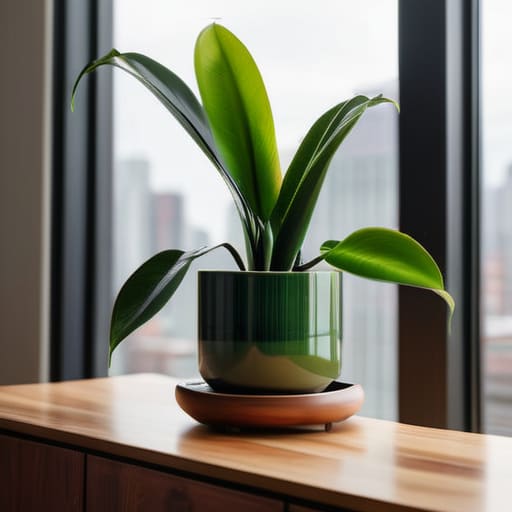
If you’re anything like me, your “to-do” list is usually longer than your actual free time, so the last thing you need is a botanical roommate that throws a tantrum if you miss a single watering. I used to think I was a plant killer, but really, I was just picking the wrong species. Start with something like a Snake Plant or a ZZ Plant; these are the absolute champions of low maintenance indoor plants. They thrive on neglect and can handle those dim corners in your apartment that nothing else seems to touch. Honestly, they are the ultimate low-light survivors for those of us living in city apartments with questionable window views.
If you’re looking for something a bit more sculptural, you can’t go wrong with beginner friendly succulents. Just a heads-up, though: they need plenty of light and a very loose watering schedule. My personal rule of thumb? If the soil feels even slightly damp, walk away. Overwatering is the fastest way to turn a thriving plant into a mushy mess, so treat them more like distant acquaintances than needy pets.
Hard to Kill Houseplants for Your Most Chaotic Corners
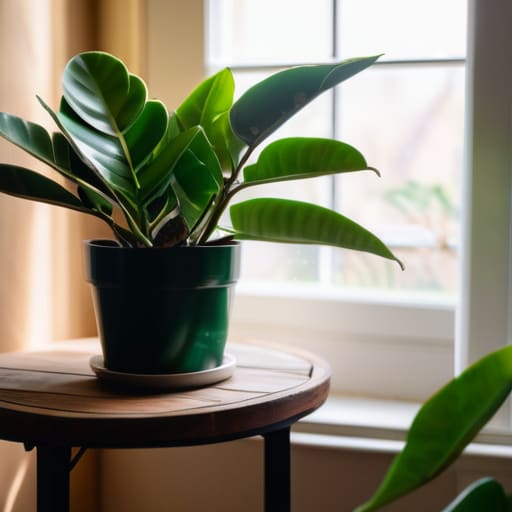
If your apartment feels more like a series of dark, forgotten corners than a sun-drenched sanctuary, don’t panic. We’ve all been there—living in spaces where the light only hits for twenty minutes a day. For these shadowy spots, I always swear by the ZZ plant. It is arguably one of the most hard to kill houseplants in existence because it thrives on neglect. You can practically forget it exists for three weeks, and it will still look lush and waxy when you finally remember it’s alive.
If you have a tiny sliver of light on a windowsill, you might be tempted to go the desert route with some beginner friendly succulents. Just a fair warning from someone who has lost more than a few: succulents are actually a bit finicky about humidity and airflow. If you want something that truly handles the “chaotic schedule” lifestyle, stick to a Pothos. It’s a trailing beauty that tells you exactly when it’s thirsty by drooping slightly, making it the perfect addition to a low maintenance indoor plants collection that actually works with your lifestyle.
Five Ways to Keep Your New Green Roommates Alive (Without Losing Your Mind)
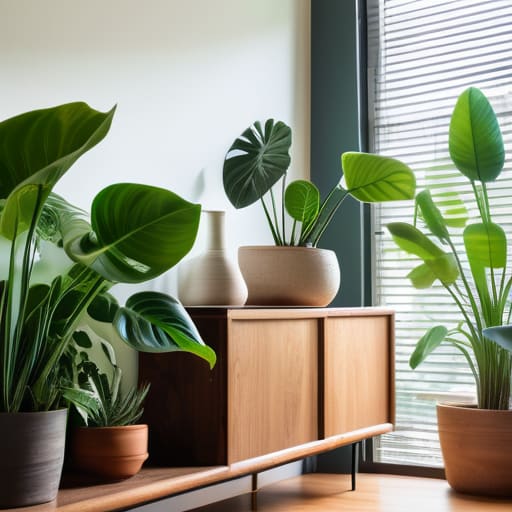
- Stop treating your plants like they need a daily spa day; most of them actually prefer being ignored for a few days rather than being drowned in water every time you feel a momentary pang of guilt.
- Get yourself a decent watering can—not a kitchen pitcher—so you can actually see where the water is going instead of just creating a muddy puddle on your floor.
- Don’t go overboard with the fancy ceramic pots right away; just make sure whatever you buy has a drainage hole, because sitting in stagnant water is the fastest way to turn a healthy plant into mush.
- Light is everything, so before you drag a plant into a dark corner just because it looks cute there, check if it actually needs sun or if it’s going to slowly fade away in protest.
- Keep a small notebook (or just a note on your phone) to track when you last watered something, because let’s be real, our brains are usually too full of work deadlines to remember if the pothos got a drink last Tuesday.
A Shift in Perspective
“Stop trying to curate a Pinterest-perfect jungle and just start with one plant that actually wants to live in your apartment. A single, thriving snake plant is a much bigger win than a dozen expensive ferns that you’re too stressed to keep alive.”
Audrey Lin-McCallum
Just Start Where You Are
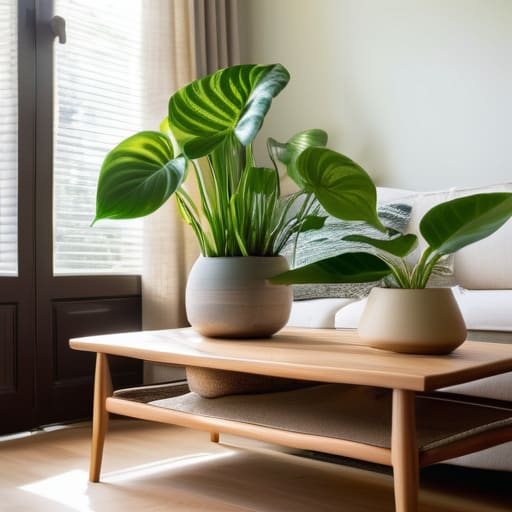
Look, I know the whole “plant parent” thing can feel like another chore on an already overflowing to-do list. But if you take anything away from this, let it be that you don’t need a glass greenhouse or a PhD in botany to bring some life into your apartment. Whether you’re starting with a resilient snake plant in a dim corner or a pothos that basically thrives on neglect, the goal isn’t to create a botanical museum; it’s to find those few green companions that actually fit into your rhythm. Focus on the low-maintenance wins first, and let the rest of the greenery happen as you get more comfortable with the basics.
At the end of the day, your home should be a place that supports you, not a place that demands more labor than you have to give. If a leaf turns yellow or you forget to water something for a week, don’t sweat it. That’s just part of the learning curve, and it doesn’t mean you’ve failed. We’re building systems here—both in our spaces and our schedules—that allow for a little bit of mess and a lot of real life. So, grab a pot, find a sunny spot, and just start small. You’ve got this.
Frequently Asked Questions
How do I actually know if I'm watering too much or too little without just guessing?
Stop guessing and start feeling. Honestly, the “finger test” is your best friend: stick your index finger about two inches into the soil. If it feels damp, walk away. If it’s bone-dry, it’s time to water. Also, grab a cheap moisture meter if you’re really struggling—it takes the guesswork out of it. Just remember, most beginners kill plants with kindness (aka overwatering), so when in doubt, wait another day.
I have zero natural light in my apartment; is there any plant that won't immediately give up on me?
Honestly, the “no light” struggle is so real—especially in those older city apartments. If you’re working with zero natural light, don’t panic. Your best bets are the ZZ Plant or Snake Plants; they’re basically the tanks of the plant world and can handle much lower light levels. Just a heads-up, though: if you have absolutely no windows, you’ll likely need a cheap LED grow light to keep them happy long-term.
Do I really need to buy fancy pots and specialized soil, or can I just make do with what I have?
Honestly? Save your money. You don’t need a curated collection of designer ceramics to keep a plant alive. If you have a container with drainage holes, you’re already halfway there. As for soil, skip the “premium” blends unless you’re doing something specific like succulents. A decent, standard potting mix works for 90% of us. Focus on the plant’s needs, not the aesthetic—we’re building a living space, not a showroom.