I used to stare at those “gourmet” soup recipes online—the ones that require three different types of artisanal stock, hand-torn herbs, and a literal mountain of prep work—and feel nothing but pure, unadulterated exhaustion. It’s like the internet has decided that learning how to make soup has to be a three-hour culinary performance just to justify a bowl of liquid. Honestly? That is such a waste of energy. When I was living in that tiny studio apartment with a kitchen the size of a closet, I didn’t have the luxury of a sous-chef or a massive pantry; I just had a single burner and a desperate need for something warm that wouldn’t cost me my entire grocery budget.
In this guide, I’m stripping away the unnecessary fluff and the intimidating “chef-speak” to give you a system that actually works for a real-world schedule. I’m not here to teach you how to win a Michelin star; I’m here to show you how to build a functional soup foundation using whatever happens to be wilting in your crisper drawer. We’re going to focus on manageable, one-pot methods that prioritize flavor over perfection, so you can spend less time hovering over a stove and more time actually enjoying your evening.
Table of Contents
Mastering the Essentials Stock vs Broth for Soup

I used to think they were interchangeable, but once you start actually building flavor from the ground up, the difference becomes pretty clear. When you’re looking at stock vs broth for soup, think of it as a matter of body and depth. Stock is usually made by simmering bones, which gives you that rich, gelatinous texture that makes a soup feel like a real meal rather than just flavored water. Broth, on the other hand, is typically made from meat or vegetables and is much lighter. If you’re aiming for a delicate consommé, go with broth; if you want a hearty, soul-warming bowl, you want a stock.
Don’t feel like you have to spend six hours hovering over a stove to get this right, though. If you’re short on time, a high-quality store-bought stock is a perfectly acceptable shortcut for busy weeknights. Just keep an eye on the sodium levels—it’s much easier to add salt later than to try and fix a salt bomb once the liquid has reduced. Mastering these soup base ingredients is really the secret to moving away from “just edible” toward something that actually tastes intentional.
Vegetable Soup Fundamentals for Real Life

Let’s talk about the actual building blocks. When I’m staring at a half-empty crisper drawer, I don’t look for a recipe; I look for my vegetable soup fundamentals. Most of the time, that means the “holy trinity” of aromatics: onion, carrot, and celery. If you have those, you have a foundation. Don’t feel pressured to buy specific heirloom varieties just because a cooking show told you to. Sautéing these basics in a bit of oil or butter until they’re soft and fragrant is the most important step in developing depth.
Once your aromatics are doing their thing, it’s time to layer in your other soup base ingredients. This is where you can get creative with whatever is lingering in your fridge—think wilted kale, a lonely zucchini, or those potatoes that are starting to look a little sad. The secret to making it taste like something intentional rather than “leftover scraps” is knowing how to season soup as you go. A little salt, a crack of pepper, and maybe a splash of acid like lemon juice or vinegar at the very end can transform a dull pot of liquid into something that actually feels nourishing.
My Low-Stress Soup Survival Rules
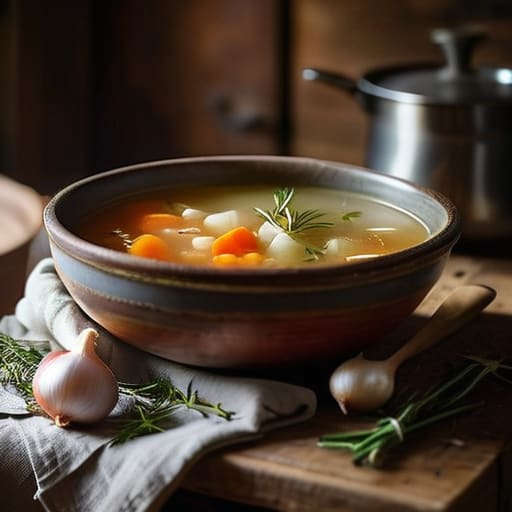
- Don’t be a martyr for the recipe. If a cookbook calls for leeks but you’ve only got half an onion and some wilted celery, use them. Soup is incredibly forgiving, and honestly, “fridge foraging” usually results in a better, more personal meal than following instructions to a T.
- Salt, acid, and heat—the holy trinity. If your soup tastes “flat” or boring, don’t just dump more salt in. Try a squeeze of lemon juice or a tiny splash of apple cider vinegar. That little hit of acidity wakes everything up in a way that salt alone just can’t.
- Sauté your aromatics first. I know it’s an extra five minutes, but taking the time to soften your onions, garlic, or ginger in a bit of oil before adding the liquid is the difference between a soup that tastes like hot water and one that actually has depth.
- Keep a “flavor toolkit” in your pantry. Things like dried thyme, bay leaves, red pepper flakes, and even a jar of better-than-average bouillon are lifesavers. Having these on hand means you can turn a basic pot of water into a legit meal without a grocery run.
- Texture is your best friend. A bowl of mushy vegetables is depressing. Try adding something with a bit of bite at the very end—like toasted pumpkin seeds, some crusty bread, or even a handful of fresh herbs—to make it feel like a real meal rather than just something you’re eating to survive.
The Philosophy of the Pot
“Stop looking for a recipe that promises perfection and start looking for a way to use what you actually have. A good soup isn’t about following a script; it’s about building a system that turns your leftover scraps and tired vegetables into something that actually fuels you.”
Audrey Lin-McCallum
Soup is a System, Not a Chore
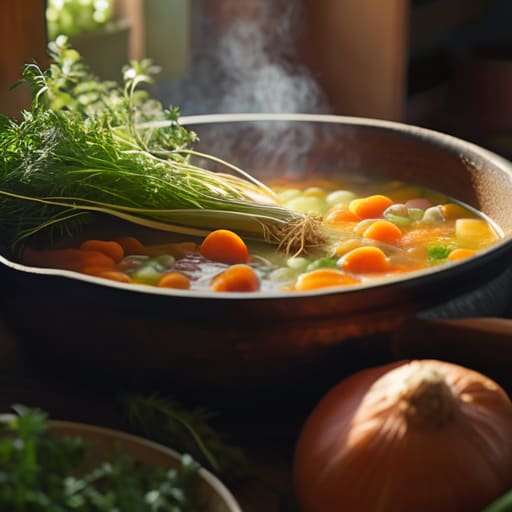
At the end of the day, making soup isn’t about following a rigid recipe or achieving some Michelin-star plating. It’s about understanding the basic mechanics: knowing when to lean on a good store-bought broth versus making your own stock, and realizing that your vegetable prep doesn’t need to be uniform to taste delicious. Once you grasp these fundamentals—the liquid base, the hearty aromatics, and the seasoning—you’ve essentially built a functional framework that can handle whatever is actually sitting in your crisper drawer. Whether it’s a quick pantry raid or a slow-simmered weekend project, you now have the tools to stop overthinking the process and just start cooking.
My biggest piece of advice? Don’t let the fear of a “failed” batch keep you from even trying. If it’s too salty, add a potato; if it’s bland, hit it with some acid or extra salt. Cooking is a series of small, adjustable pivots, much like managing a hectic week or a cluttered apartment. The goal isn’t a perfect bowl of soup; it’s a warm, nourishing meal that fuels you for whatever comes next. So, grab your favorite pot, pull out that notebook to jot down what worked, and just embrace the delicious imperfection. You’ve got this.
Frequently Asked Questions
I have a bunch of leftovers in the fridge; can I just toss them in, or will that ruin the texture of the soup?
Honestly? Toss them in. I’m a firm believer that a “perfect” soup is the enemy of a fed human. If you’re worried about texture, just follow my rule: add the soft stuff (like cooked grains or beans) at the very end just to warm through. If it’s something crunchy like roasted carrots or leftover steak, stir it in right before you serve. It might not look like a magazine spread, but it’ll taste great.
Is it actually worth the effort to make my own stock from scratch, or is store-bought really "good enough" for a weeknight meal?
Look, I’m all about the DIY life, but let’s be real: if it’s a Tuesday and you’re exhausted, store-bought is absolutely “good enough.” Grab the low-sodium carton and move on. Save the homemade stock for a Sunday when you actually have the scraps and the headspace to let a pot simmer for hours. Life is too short to turn a quick weeknight meal into a massive production just for the sake of “purity.”
How do I stop my soup from turning into a salty, mushy mess if I try to reheat it for lunch the next day?
The “mush factor” is real, especially with those hearty veggies. My trick? Undercook your star ingredients slightly during the initial cook—think al dente rather than soft. They’ll finish softening when you reheat them. As for the salt, hold back on the seasoning until the very end. Liquids reduce as they sit, which concentrates the salt. Season for the final volume, not the starting one, and you’ll avoid that brine-bomb effect.