I am so tired of seeing those “perfect” study aesthetic videos on my feed—you know the ones, with the $80 linen desk pads, the perfectly curated lo-fi playlists, and the sunlight hitting a single, pristine succulent. It’s all great for a thirty-second clip, but it’s absolute nonsense when you’re actually trying to figure out how to focus while studying in a cramped apartment with a neighbor practicing the drums. We don’t need a lifestyle overhaul or a designer workspace to get things done; we just need a way to stop our brains from drifting toward every single distraction in the room.
I’m not here to sell you on a fancy new app or a productivity ritual that takes three hours to prepare. Instead, I want to share the unpolished, gritty systems I’ve built over the years to keep my head in the game when life gets loud. We’re going to talk about small, manageable tweaks to your environment and your workflow that actually stick. My promise to you is simple: no fluff, no expensive gear, just real-world tactics that help you reclaim your concentration without needing to live in a minimalist showroom.
Table of Contents
Minimizing Study Distractions Without a Curated Aesthetic
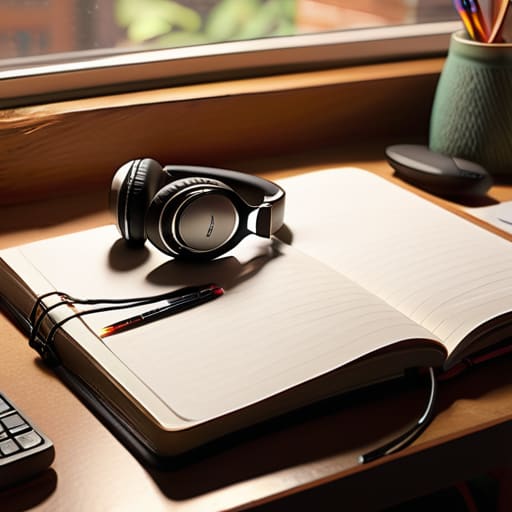
Look, I get it. You’ve probably seen those “study with me” videos where everything is beige, there’s a single eucalyptus branch in a vase, and the lighting is suspiciously perfect. If you’re waiting for your life to look like that before you start working, you’re never going to get anything done. Real life is loud, your desk is probably covered in half-empty coffee mugs, and your roommate is definitely vacuuming at the wrong time. Minimizing study distractions isn’t about achieving a Pinterest-worthy sanctuary; it’s about tactical triage.
Instead of trying to curate a perfect space, focus on reducing your cognitive load and learning barriers. This means making the “easy” things easy and the “hard” things hard. Want to stop checking your phone? Put it in a different room—not just face down, but physically out of sight. Want to stop the snack raids? Keep a water bottle and a small, non-messy snack right at your station. It’s about building a functional perimeter around your brain so you can actually sink into the work without needing a complete interior design overhaul.
An Optimal Study Environment Setup for Messy Schedules

Look, I get it. You don’t have a dedicated, soundproof library room or a massive mahogany desk. Most of us are trying to squeeze productivity into a corner of a studio apartment or a noisy kitchen table. The secret isn’t about finding the “perfect” spot; it’s about creating an optimal study environment setup that works with the chaos you already have. If your desk is currently a graveyard of coffee mugs and half-finished projects, don’t panic. Just clear a six-inch radius around your laptop. That tiny pocket of physical space helps reduce your cognitive load and learning friction by giving your brain one less thing to process visually.
Since your schedule is likely a moving target, don’t aim for marathon sessions. Instead, lean into the pomodoro technique for concentration to create artificial boundaries. Setting a timer for twenty-five minutes tells your brain, “Okay, we can do this, but only for a little bit.” It turns a daunting afternoon of studying into a series of small, manageable sprints. You aren’t building a temple of productivity; you’re just building a functional system that survives your real life.
Five Low-Maintenance Tactics for When Your Brain Refuses to Cooperate

- Stop waiting for a “flow state” to arrive. If you can’t focus for an hour, don’t force it. Try the 25/5 rule—work for twenty-five minutes, then actually get up and move. It’s much easier to commit to a short sprint than a marathon when your brain is already feeling fried.
- Use “low-fi” focus tools instead of expensive apps. You don’t need a $50 productivity planner; sometimes just a single sheet of paper and a pen to write down your one—and only one—priority for the session is enough to stop the mental spiral.
- Embrace the “Body Doubling” trick. If you’re struggling to stay on task, hop on a video call with a friend or go to a coffee shop. You don’t even have to talk; just having another human being nearby working on their own stuff creates a weirdly effective social pressure to stay off your phone.
- Curate a “Focus Soundtrack” that isn’t distracting. Avoid music with lyrics if you’re reading or writing—it’s just more data for your brain to process. Stick to brown noise, ambient cafe sounds, or repetitive lo-fi beats that fade into the background like a reliable piece of furniture.
- Forgive the “Zero Days.” If you planned to study for four hours and you only managed twenty minutes because life got in the way, don’t scrap the whole week. Take the twenty minutes as a win, close the laptop, and try again tomorrow. Perfectionism is the fastest way to kill actual progress.
## The Real Goal of Focus
Stop trying to build the perfect, Pinterest-worthy study sanctuary; your brain doesn’t need a minimalist temple to work, it just needs a predictable system that survives your actual, messy life.
Audrey Lin-McCallum
Real Progress Over Perfect Systems

At the end of the day, focusing isn’t about finding that one magical productivity app or owning a $200 ergonomic chair. It’s about the small, practical choices we make when life gets loud. We’ve talked about clearing just enough space to breathe, setting up a system that respects your chaotic schedule, and cutting out the digital noise that drains your battery before you even start. You don’t need a pristine, Pinterest-worthy office to get things done; you just need a functional way to reclaim your attention from the chaos. Remember, the goal isn’t to eliminate every single distraction—that’s impossible—but to build a resilient workflow that can handle a little bit of mess.
If you’re feeling overwhelmed right now, just pick one thing. Don’t try to overhaul your entire life by Monday morning. Maybe it’s just putting your phone in another room for twenty minutes, or maybe it’s finally clearing that one corner of your desk. Start there. Life is messy, and your study habits will be too, but that’s okay. We aren’t aiming for a flawless performance; we are just trying to make meaningful progress one small, manageable step at a time. You’ve got this, even on the days when the focus just won’t come.
Frequently Asked Questions
What do I do when my brain just refuses to cooperate, even after I've cleared my desk and silenced my phone?
Look, I’ve been there. You’ve done all the “right” things, your desk is clear, your phone is in another room, and your brain is still screaming for literally anything else. When that happens, stop fighting the wall. Instead of forcing a three-hour deep dive, try the “five-minute rule.” Tell yourself you’ll just do one tiny, mindless task—like formatting a bibliography or reading one paragraph. Usually, the friction is just in the starting.
How can I stay focused when I'm studying in a loud apartment or a cramped space where I can't control the noise?
Look, I get it. I spent years trying to study in a studio apartment where the neighbor’s bass was basically my heartbeat. When you can’t control the walls, you have to control your sensory input. Invest in decent noise-canceling headphones—they’re a sanity saver—or lean into brown noise; it’s deeper and more forgiving than white noise. If that fails, try “body doubling.” Even a silent Discord stream or a “study with me” video can make a cramped, loud room feel a lot less lonely.
I don't have hours of uninterrupted time; how do I actually make these systems work when I only have twenty minutes between tasks?
This is where most “productivity gurus” lose me. They assume you have a four-hour deep-work block, but life usually gives us twenty-minute scraps. When you’re in those gaps, stop trying to tackle the heavy lifting. Instead, use a “micro-system”: pick one tiny, specific task—like reviewing three flashcards or outlining one paragraph—and set a timer. It’s about maintaining momentum, not finishing the whole project. Small wins keep the engine running.