I spent way too much of my early twenties thinking that if I just bought the right $50 planner or a sleek, rose-gold desk lamp, my life would suddenly feel organized. Spoiler alert: it didn’t. I realized that most of the “productivity hacks” floating around social media are really just ways to spend more money on things that look pretty in a time-lapse video. The truth is, finding the best productivity gadgets isn’t about chasing a minimalist aesthetic; it’s about finding tools that actually reduce the friction in your daily routine so you can stop fighting your environment and start getting things done.
In this post, I’m cutting through the noise to share five specific items that have actually earned a permanent spot in my bag or on my desk. These aren’t flashy status symbols; they are functional, durable, and—most importantly—designed for real life. I’ll walk you through why these particular tools work for a busy, slightly chaotic schedule and how they can help you build a system that works for you, rather than a system you have to work for.
Table of Contents
The No-Nonsense Mechanical Keyboard
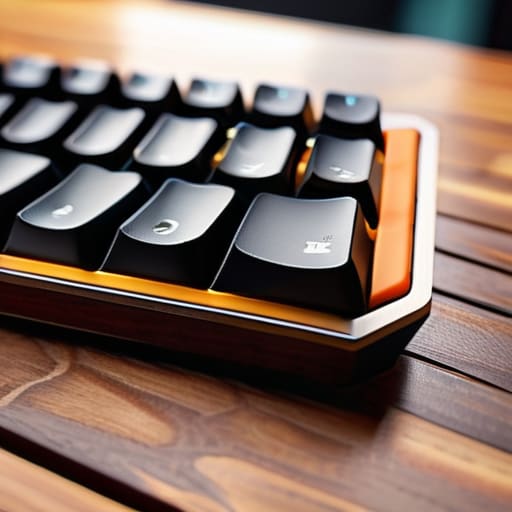
I used to think mechanical keyboards were just for gamers or people who wanted to make way too much noise in a quiet office, but I was wrong. Once I switched to a decent, tactile one, my typing speed actually became consistent rather than a constant battle against mushy keys. It’s one of those things where you don’t realize how much friction your hardware is adding to your day until you remove it.
A Reliable Noise-Canceling Headset

Living in a busy city means there is always some kind of ambient chaos happening, whether it’s a neighbor’s construction project or just the hum of the refrigerator. I’ve found that a good pair of noise-canceling headphones is less of a luxury and more of a survival tool for anyone working from a small space. It’s my way of drawing a literal line in the sand between “world is happening” and “I am working.”
The Single-Cable Docking Station
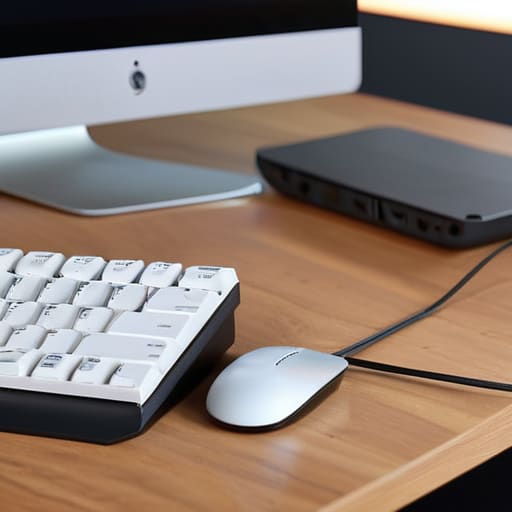
My desk used to look like a spaghetti factory thanks to all the different chargers and cables fighting for space. I finally bit the bullet and got a decent docking station, and it’s probably the single best thing I’ve done for my mental clarity. Now, when I sit down to work, I plug in one single USB-C cable and my monitor, mouse, and keyboard all spring to life.
An Analog Timer for Deep Work
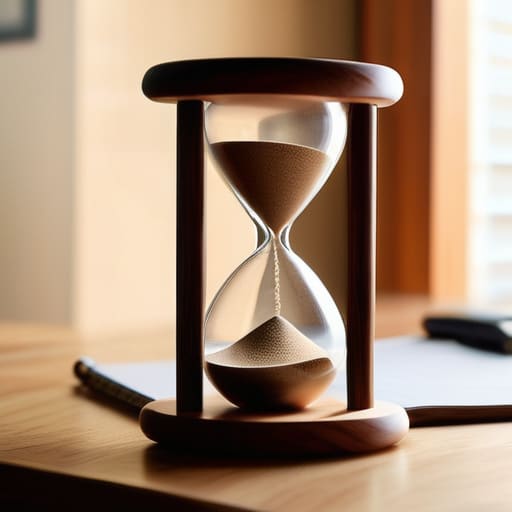
There is something deeply unhelpful about using your phone as a timer. Every time I pick up my phone to check how much time I have left for a task, I end up spiraling down a rabbit hole of notifications and emails. I started using a simple, physical gravity timer on my desk, and it has been a complete game-changer for my focus.
A High-Quality Portable Power Bank
As a freelancer, my “office” is often a corner of a coffee shop or a park bench, which means I am constantly at the mercy of the nearest outlet. There is nothing more soul-crushing than being in the middle of a productive flow only to see that dreaded 1% battery warning flashing at you. A high-capacity, fast-charging power bank is my version of an insurance policy.
The Real Goal of a Gadget
“A gadget shouldn’t be another thing you have to manage; it should be the thing that manages the chaos for you. If it doesn’t shave five minutes off a task or clear a little bit of mental clutter, it’s just expensive desk decor.”
Audrey Lin-McCallum
The Bottom Line
At the end of the day, whether you’re investing in a noise-canceling headset to survive a loud coffee shop or a simple mechanical timer to keep your focus from drifting, the goal is the same: reducing friction. You don’t need a suite of expensive, interconnected smart devices to be “productive.” You just need a few reliable tools that actually serve your workflow rather than adding more digital clutter to your life. Pick one thing from this list that addresses your biggest daily bottleneck and start there. It’s much better to have one gadget that you use every single day than a drawer full of tech that was only meant to look good on a desk setup.
I know how easy it is to fall into the trap of thinking that a new purchase will magically fix a disorganized schedule, but remember that tools are just that—tools. They are the assistants, not the architects of your success. Real productivity comes from the small, intentional systems you build around them, like carving out thirty minutes of deep work or finally setting boundaries with your notifications. Don’t aim for a perfectly optimized life overnight; just aim for a functional rhythm that feels sustainable. You’ve got this, and honestly, even the best gadget is nothing without your own grit to back it up.
Frequently Asked Questions
Do I actually need all these gadgets, or can I just stick to my phone and a notebook?
Honestly? You definitely don’t. If your phone and a notebook already keep your head above water, stick with them. I’ve spent way too much time chasing the “perfect” setup only to realize I was just creating more digital clutter. Gadgets should solve a friction point in your day, not create a new hobby of managing the gadgets themselves. Only buy something if it actually makes a task feel lighter, not just shinier.
How do I stop these new tools from becoming just another source of digital clutter and distraction?
Honestly, I’ve been there. You download a new app to “fix” your life, and suddenly you’re spending more time organizing the tool than actually doing the work. My rule of thumb? If a tool requires more than five minutes of setup or constant “maintenance” to stay useful, it’s not a tool—it’s a chore. Stick to the “one-in, one-out” rule. Before adding something new, ask yourself: is this actually solving a problem, or just adding noise?
Are there any budget-friendly alternatives for people who don't want to spend a fortune on a "perfect" setup?
Honestly, please don’t feel like you need to drop a month’s rent on a “perfect” setup. Most of those high-end gadgets are just fancy versions of things you probably already own. If you’re on a budget, start with what’s in your junk drawer. A cheap mechanical timer can replace a smart device, and a basic notebook is often more reliable than a pricey tablet. Focus on utility first; you can always upgrade once the system actually works.