I still remember sitting on a literal cardboard box in my first studio apartment, staring at those soul-crushing, “landlord beige” walls and wondering if I’d ever actually feel settled. Every Pinterest board I scrolled through suggested expensive renovations or high-end custom shelving that felt completely out of reach for someone living on a freelance budget. It’s exhausting to be told that you need a massive bank account to figure out how to make a rental feel like home. Honestly, if I see one more person suggest ripping out kitchen cabinets or installing permanent backsplash in a space you don’t even own, I might actually lose it.
I’m not here to help you chase a curated, magazine-ready aesthetic that requires a security deposit refund to achieve. Instead, I want to share the low-stakes, high-impact systems I’ve used to turn cramped, temporary spaces into functional sanctuaries. We’re going to focus on practical, non-destructive tweaks—things like lighting, smart storage, and textile layers—that actually work with your real life. Let’s stop trying to decorate a showroom and start building a space that actually supports your daily routine.
Table of Contents
Renter Friendly Wall Art Solutions That Dont Require a Drill
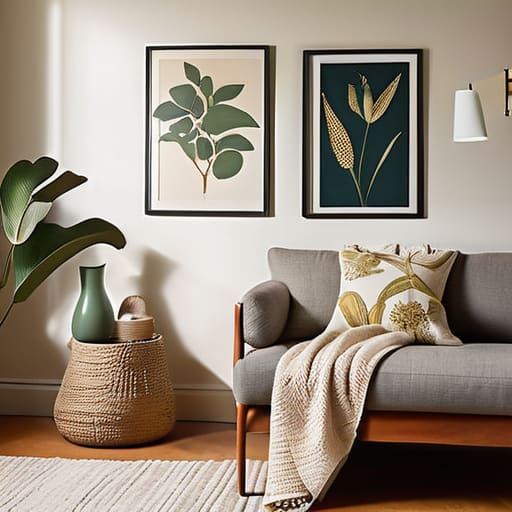
Look, I know the drill. You find the perfect vintage print at a flea market, but then you remember your security deposit is the only thing standing between you and a slightly more expensive lifestyle next year. The good news? You don’t need to commit any “wall crimes” to get some personality up there. I’ve leaned heavily on Command strips and heavy-duty mounting putty for years—they are absolute lifesavers for non-permanent apartment decor ideas. Just make sure you actually follow the weight instructions on the packet; there is nothing more stressful than watching a framed photo of your cat slowly slide toward the floor in the middle of the night.
If you have something heavier, like a small mirror or a chunky wooden piece, skip the adhesive and try using tension rods in doorframes or even leaning large canvases against the wall. It’s a low-effort way of adding texture to rental spaces without a single puncture mark. I also love using magnetic strips or even small, stylish clips to hang fabric tapestries. It softens the room instantly and covers up those weird, institutional-beige paint jobs that so many landlords seem to love.
Adding Texture to Rental Spaces Without Breaking Your Security Deposit
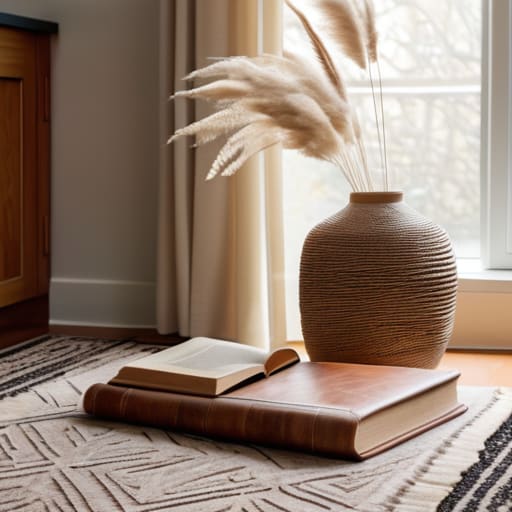
If your apartment feels a little “flat” or sterile, it’s usually because everything—from the floors to the walls—is made of the same smooth, hard surfaces. To fix this, you need to lean into adding texture to rental spaces through layers rather than permanent renovations. I’m a huge fan of the “soft vs. hard” rule. If you have a sleek, laminate desk, throw a chunky knit runner over it. If your floors are that standard, uninspiring grey vinyl, grab a high-pile jute rug or a soft Moroccan-style piece to ground the room. It’s one of my favorite cozy apartment styling tips because it adds immediate visual depth without you ever having to pick up a hammer.
Don’t overlook your windows and seating, either. Swapping out cheap, plastic blinds for heavy linen curtains can completely transform the vibe of a room, making it feel intentional rather than temporary. Even something as simple as adding a few velvet throw pillows to a basic sofa can make a massive difference. These are easy non-permanent apartment decor ideas that provide that much-needed tactile warmth, making your space feel lived-in and curated rather than just “leased.”
Small Tweaks for a Space That Actually Feels Like Yours
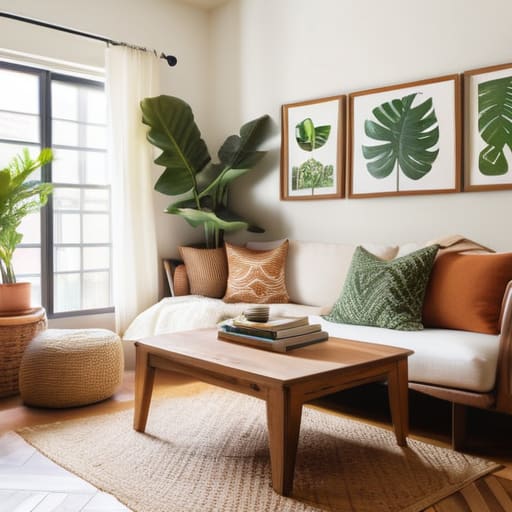
- Swap out the generic hardware. Those standard, builder-grade cabinet knobs and drawer pulls are usually pretty soul-crushing. I love spending a Saturday morning swapping them for something with a bit more character—think matte black or vintage brass. Just keep the originals in a labeled bag so you can swap them back before you move.
- Master the art of “zoning” with lighting. Rental overhead lights are notorious for being harsh and clinical. Instead of relying on that one big light in the ceiling, layer in some warm lamps or even a rechargeable LED strip under your kitchen cabinets. It changes the entire mood from “office cubicle” to “cozy sanctuary” instantly.
- Bring in some life (the low-maintenance kind). I know, I know, we all want a jungle, but if you don’t have a green thumb, start small. A single pothos or a snake plant can soften those sharp, sterile rental corners without requiring a PhD in botany to keep them alive.
- Layer in some scent, but keep it subtle. A space doesn’t feel like home if it smells like whatever the previous tenant left behind. Use reed diffusers or high-quality soy candles to create a “signature scent” for your apartment. It’s a sensory cue that tells your brain, “Okay, you’re home now.”
- Use rugs to hide the “un-fun” flooring. If you’re stuck with those questionable beige carpets or cold linoleum, don’t fight it—just cover it. A large, textured jute rug or a soft washable one can define a seating area and give your feet something much nicer to touch than industrial laminate.
The Real Goal of Decorating
“Stop trying to curate a museum-perfect apartment that looks good in a single photo; instead, focus on building a space that actually supports your real, messy, daily life. A home isn’t a collection of expensive trends—it’s just a place where your systems, your comforts, and your personality finally have room to breathe.”
Audrey Lin-McCallum
Making It Yours, One Step at a Time
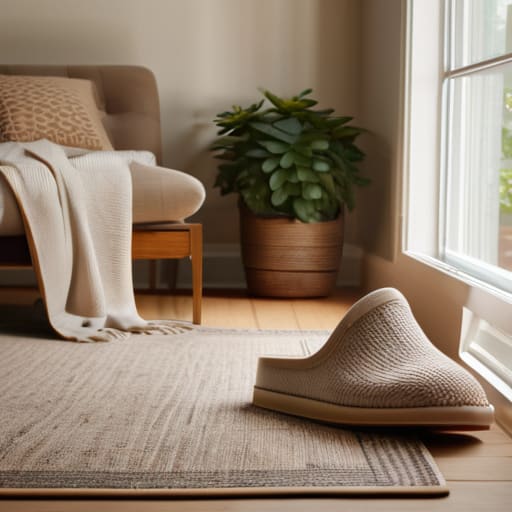
At the end of the day, making a rental feel like home isn’t about a massive weekend overhaul or buying every trendy piece of decor you see on your feed. It’s about those small, intentional shifts—swapping out the generic light bulbs, hanging some command-strip art, or layering in a rug that actually feels good under your feet. We’ve talked about everything from non-destructive wall solutions to adding much-needed texture, and the goal isn’t to create a museum-quality showroom. It’s about building a functional sanctuary where you can actually breathe and exist without feeling like a guest in your own space. Just focus on the things that make your daily routine smoother and more comfortable.
Please, give yourself permission to let go of the “perfect” apartment dream. Your home doesn’t need to look like a curated Pinterest board to be a place of rest and recovery. If you have a few plants, a comfortable chair, and a way to organize your chaos, you are already winning. Life is messy, and your living space will be too, and that is perfectly okay. Focus on creating a space that serves your real life, not an idealized version of it. You aren’t just decorating a room; you’re building a foundation for your well-being, one small, manageable change at a time.
Frequently Asked Questions
How do I deal with those ugly, industrial-style rental carpets without actually replacing them?
Look, I get it. There is nothing quite as soul-crushing as walking into a room and being met with that beige, scratchy, industrial-grade carpet. Since we aren’t ripping it up, we’re going to layer over it. Grab a few large, low-pile area rugs—jute or sisal are great for durability—and layer them strategically to cover the worst patches. If it’s really bad, a thick rug pad underneath makes a world of difference for your feet (and your sanity).
Are there ways to upgrade my kitchen or bathroom fixtures without worrying about getting flagged during my move-out inspection?
The short answer? Yes, but the golden rule is: keep the original parts in a labeled box. I always swap out old, crusty showerheads or dated cabinet pulls for something sleeker, but I make sure to tuck the old ones away safely. When move-out day rolls around, I just pop the originals back on. It takes twenty minutes, but it saves you a massive headache (and a potential fine) later.
How can I make a tiny, cookie-cutter studio apartment feel less like a box and more like a personalized sanctuary?
First, stop trying to make it look like a Pinterest board and start thinking about “zones.” When you’re living in a single room, the lack of boundaries is what makes it feel like a box. Use a rug to anchor your “living room” or a slim bookshelf to create a visual break between your bed and your desk. It’s about creating psychological separation so you aren’t eating dinner in your bedroom.