I used to think that solving a funky-smelling apartment meant buying every expensive, designer candle and “scent-neutralizing” spray on the shelf. I spent way too much money trying to mask the smell of old floorboards and my neighbor’s cooking with heavy artificial florals, only to realize I was just creating a perfumed landfill in my own living room. If you’re currently scrolling through endless lists of high-end diffusers trying to figure out how to get rid of household odors, please stop. Most of those products are just expensive Band-Aids that don’t actually solve the problem; they just make the air smell like “Lavender-Scented Trash.”
I’m not here to sell you a lifestyle aesthetic or a twelve-step ritual that takes up your entire Saturday. Instead, I want to share the low-maintenance systems I’ve actually used to keep my space smelling fresh without breaking the bank or my sanity. We’re going to focus on practical, science-backed ways to tackle the source of the funk—from baking soda hacks to simple airflow tweaks—so you can get back to your life. This isn’t about making your home a museum; it’s about making it actually livable.
Table of Contents
Eliminating Kitchen Smells Without a Total Kitchen Overhaul
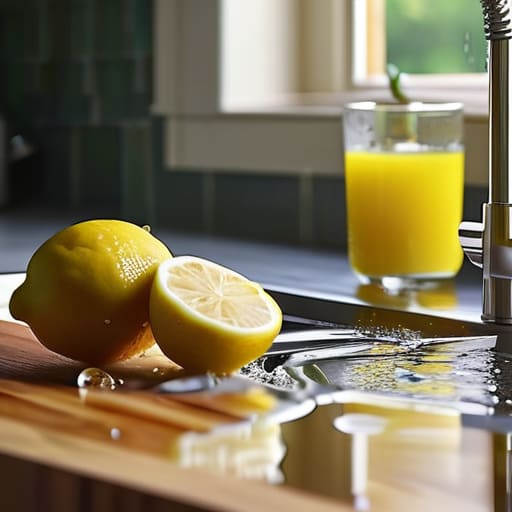
Let’s be real: the kitchen is usually the heart of the home, but it’s also the primary culprit when things start smelling a little… questionable. You don’t need to strip your cabinets or hire a professional crew to fix it. Most of the time, the culprit is just lingering garlic, onion, or that one Tupperware container that’s been sitting in the back of the fridge for a week too long. Instead of panic-cleaning, start by eliminating kitchen smells at the source—check your garbage disposal and run some lemon peels through it. It’s a quick, five-minute fix that makes a massive difference.
If the scent is still hanging around, don’t go out and buy a dozen synthetic sprays that just mask the problem with “ocean breeze” chemicals. I’m a big fan of using a baking soda odor absorber tucked away in the pantry or near the trash bin. It’s cheap, it actually works, and it doesn’t add to the clutter. If you want something a bit more intentional, you can whip up a quick natural air freshener DIY by simmering a pot of water with some cinnamon sticks and orange peels on the stove. It makes the space feel lived-in and cozy without trying too hard.
A Baking Soda Odor Absorber System for Busy Schedules
If you’re anything like me, the idea of deep-cleaning every corner of your house every single weekend feels like a personal attack. Instead of chasing scents with heavy sprays that just mask the problem, I’ve leaned into a low-maintenance baking soda odor absorber system. It’s not about being a perfectionist; it’s about setting up small, passive tools that do the heavy lifting while you’re actually living your life.
I keep a few small, open jars of baking soda tucked away in strategic spots—under the sink, near the trash, and even in the back of the pantry. It’s a simple natural air freshener DIY that requires zero active effort once it’s set up. If you have a pet, I also highly recommend sprinkling a bit on your rugs before vacuuming; it’s one of the easiest ways of neutralizing pet odors without having to rent a professional steamer every time they have an accident. It’s not a “curated” solution, but it keeps the air feeling much lighter without me having to spend my entire Saturday scrubbing.
Five Low-Effort Wins for a Fresh-Smelling Home

- Stop trying to mask smells with heavy floral sprays; they just create a weird “lavender-scented garbage” vibe. Instead, focus on air circulation. Crack a window for just ten minutes a day—even if it’s chilly—to actually swap out the stale air for something new.
- Check your soft surfaces. If your couch or rug has started to hold onto that “lived-in” scent, don’t panic and call a professional. Just sprinkle some plain baking soda over the fabric, let it sit while you do something else, and vacuum it up later. It’s a five-minute fix that actually works.
- Treat your trash cans like a recurring project. Don’t just wait for them to overflow; give the actual bin a quick wipe with a soapy cloth once a week. Most of the time, the smell isn’t the bag—it’s the residue stuck to the bottom of the plastic.
- Don’t ignore the “hidden” culprits like your kitchen sink drain or your dishwasher filter. Running a cycle with a bit of vinegar or just cleaning out the gunk in the filter can stop a funky smell before it even enters the room.
- Manage your laundry pile strategically. If you have damp towels sitting in a hamper, they’re going to start smelling like a swamp. Try to hang them up to dry completely before tossing them in the bin, or just commit to running a small load more frequently.
The Goal Isn't a Scented Museum
Stop trying to mask every single smell with a mountain of expensive candles; your home should smell like a place where people actually live, not a sterile showroom. Focus on clearing the air, not layering perfume over the mess.
Audrey Lin-McCallum
Keeping the Air Fresh (Without Losing Your Mind)
At the end of the day, tackling household odors isn’t about achieving some sterile, scentless vacuum; it’s about creating a space where you can actually breathe easily. We’ve looked at how a few small tweaks in the kitchen can prevent smells before they take root, and how a simple, low-maintenance baking soda system can do the heavy lifting while you focus on more important things. You don’t need to deep-clean your entire life every weekend to keep things manageable. Just focus on those small, high-impact zones—the trash cans, the sink drains, and the pantry corners—and you’ll find that the air in your home feels significantly lighter. It’s all about building systems that work for you, not adding more chores to an already overflowing to-do list.
Please remember that your home is meant to be lived in, not curated for a magazine cover. If you cook a heavy garlic pasta or if the dog leaves a little “gift” in the corner, it doesn’t mean you’ve failed at home maintenance. It just means you’re human. The goal isn’t a museum-quality atmosphere; it’s a functional, comfortable sanctuary that supports your real, messy, beautiful life. Take it one step at a time, grab your multi-tool or a box of baking soda, and just tackle one small thing today. You’ve got this.
Frequently Asked Questions
Are there any essential oils or candles I should avoid because they just mask the smell rather than fixing it?
Honestly, I’m a huge fan of a good candle, but there’s a massive difference between “scent” and “masking.” If you’re layering heavy, synthetic vanilla or patchouli over a trash can that hasn’t been emptied, you aren’t cleaning; you’re just making “trash-scented vanilla,” which is arguably worse. Stick to clear, simple scents like citrus or eucalyptus if you must, but treat them as a finishing touch, not a band-aid for a problem you haven’t solved yet.
I have a small apartment with zero ventilation; is there a way to tackle odors without making the air feel heavy or stuffy?
I totally get that. When you’re living in a “cozy” studio with no airflow, heavy sprays just turn your home into a thick, scented fog that makes breathing feel like a chore. Skip the aerosols. Instead, try activated charcoal bags—they’re discreet, unscented, and actually pull odors out of the air rather than just masking them. Pair that with a small, high-quality air purifier on a low setting; it keeps things moving without the constant hum.
How often do I actually need to swap out the baking soda or charcoal filters before they stop working?
Honestly, if you’re waiting for a “signal” from the baking soda, you’ve waited too long. For the kitchen or trash cans, I swap it out every month—or sooner if you’ve just cooked something particularly aggressive, like salmon. For charcoal filters, aim for every three months. It’s not about being a perfectionist; it’s just about keeping the system running so you don’t have to think about it. Set a recurring reminder on your phone and call it a day.