I used to stare at those “meal prep Sunday” videos with a mix of awe and pure, unadulterated resentment. You know the ones—where everything is sliced into perfect, identical cubes, tucked into color-coordinated glass containers that look like they belong in a museum rather than a tiny city kitchen. It felt like a full-time job just to figure out how to prep vegetables without losing my entire afternoon to a sink full of dirty dishes and a mountain of food waste. Honestly, if I have to spend three hours dicing carrots just to feel “organized,” I’ve already lost the battle against my own schedule.
I’m not here to sell you on a curated aesthetic or a lifestyle you can’t maintain once Tuesday hits. Instead, I want to show you how to build a functional system that actually works for a real, messy life. We’re going to talk about the shortcuts that matter, the tools that actually save time, and how to get your veggies ready so you can actually enjoy your dinner instead of dreading the cleanup. This isn’t about perfection; it’s about making your kitchen work for you, one manageable step at a time.
Table of Contents
Essential Knife Skills for Cooking Without the Chaos
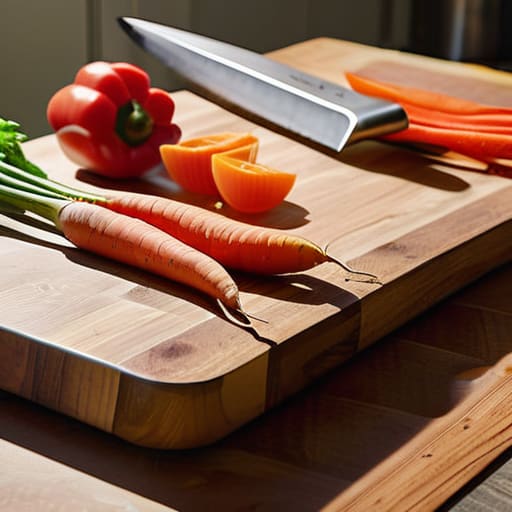
Look, I used to think that if I didn’t have a professional chef’s set of Japanese steel blades, I was somehow failing at being an adult. But after years of working in tiny kitchens, I’ve realized that most of the stress comes from using dull tools and trying to mimic techniques that don’t actually fit a Tuesday night schedule. When it comes to knife skills for cooking, you don’t need to master the julienne; you just need to know how to keep your fingers safe and your pieces relatively uniform so everything cooks at the same rate.
The biggest game-changer for me was learning the “claw grip.” It sounds intimidating, but tucking your fingertips in like a little paw keeps them away from the blade while you work. If you can master that, you’ll stop eyeing the knife with dread. Investing in one decent, sharp chef’s knife and a stable cutting board is really the only way to go when you’re diving into meal prep for beginners. It’s not about being fancy; it’s about being efficient enough that you don’t end up ordering takeout because the chopping felt like a mountain you couldn’t climb.
How to Wash Vegetables Without Wasting Your Entire Sunday
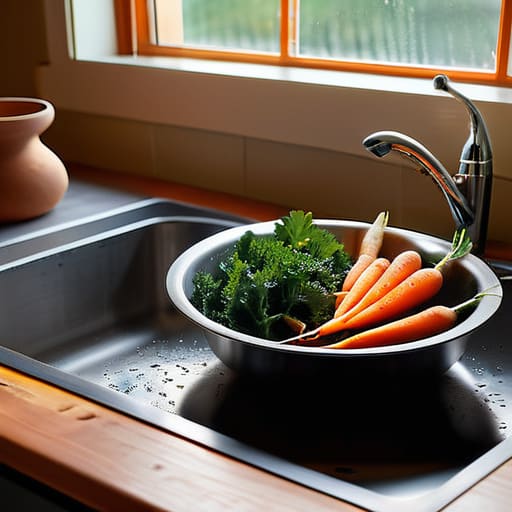
Look, I’ve been there—standing over a sink full of kale and dirt at 7:00 PM on a Sunday, feeling like I’ve accidentally signed up for a part-time job I never applied for. The secret to mastering how to wash vegetables without losing your sanity is to stop treating it like a scientific experiment. You don’t need a specialized ultrasonic cleaner or a three-step organic soak. If you’re just starting with meal prep for beginners, a large colander and a quick rinse under cold water is usually plenty. For the dirtier stuff, like carrots or potatoes, just give them a quick scrub with a clean dish brush while they’re in the sink.
The real pro move, though, is timing. Don’t try to wash everything the second you get home from the market. Instead, wait until you’re actually ready to chop. If you wash leafy greens too far in advance, they tend to get that sad, slimy texture by Tuesday. If you do insist on pre-washing, make sure you are thoroughly drying them with a salad spinner or even just a clean kitchen towel before they go into your containers. Moisture is the enemy of longevity.
My Low-Stress Strategy for Actually Getting It Done
- Work in batches, not by recipe. Instead of chopping one onion for one specific meal, chop three at once. It feels like more work in the moment, but your future self—the one trying to cook a Tuesday night dinner after a long day—will absolutely thank you for the head start.
- Keep a “scrap bowl” on your counter. There is nothing that kills my momentum faster than having to walk to the trash can every thirty seconds. Keep a big bowl right next to your cutting board for peels and ends, then dump the whole thing once you’re finished.
- Don’t be a perfectionist with the cuts. If you’re making a stir-fry or a stew, the pieces don’t need to be identical little cubes for a magazine spread. As long as they’re roughly the same size so they cook evenly, you’re winning.
- Invest in a decent cutting board that doesn’t wobble. I learned this the hard way in my first tiny apartment. A stable surface makes everything faster and, more importantly, keeps you from accidentally slicing a finger because your board decided to slide mid-chop.
- Use the “dry storage” rule for whatever you can. If you’ve prepped peppers or carrots, get them into airtight containers with a paper towel tucked inside to soak up moisture. It keeps them from turning into a slimy mess by Wednesday, which is the ultimate productivity win.
The Real Goal of Meal Prep
“Stop trying to make your veggie prep look like a Pinterest board. The goal isn’t perfectly uniform cubes; the goal is having a container of chopped peppers ready to toss into a pan so you don’t end up ordering takeout because you’re too tired to start from scratch.”
Audrey Lin-McCallum
Stop Aiming for Perfection
At the end of the day, the goal here isn’t to become a Michelin-star sous chef or to have a refrigerator that looks like a Pinterest board. It’s about making sure that when you walk through the door after a long Tuesday, you aren’t staring at a pile of unwashed, intimidating produce and deciding that takeout is your only option. Whether you’ve mastered a basic dice, found a faster way to rinse your greens, or simply decided that roughly chopped is good enough, you’ve already won. You’ve built a small, functional system that serves your schedule rather than demanding you serve it. Remember, the most important part of any prep method is the one that actually gets you eating.
Don’t let the “all or nothing” mentality stop you from even trying. If you only have ten minutes to chop one onion and some garlic, take those ten minutes. Life is messy, and your kitchen prep shouldn’t be an extra chore on an already overflowing to-do list; it should be the tool that makes everything else feel a little more manageable. We aren’t chasing a curated aesthetic here—we are just trying to make sure we’re well-fed and slightly less stressed. So, grab your knife, keep it simple, and just start where you are.
Frequently Asked Questions
I’ve heard that prepping everything at once makes veggies go soggy—how do I actually store them so they stay fresh for the week?
The “soggy veggie” struggle is real, and honestly, it’s usually a moisture problem. My rule of thumb? Keep them dry. If you’re prepping leafy greens, tuck a paper towel into the container to soak up excess humidity. For things like chopped carrots or peppers, use airtight glass containers, but give them a little breathing room. If they look damp when you wash them, pat them dry first. Don’t aim for perfection; just aim for crisp.
Do I really need to buy a bunch of fancy containers, or can I just use what I already have in my kitchen?
Honestly? Please don’t. I see these perfectly color-coded, airtight glass sets online and they look great, but they’re just another thing to manage. If you have mismatched Tupperware, old deli containers, or even just some reusable silicone bags, use them. The goal is to get the veggies chopped and into the fridge so you actually eat them, not to win a kitchen organization competition. Function over aesthetic, always.
What’s the best way to handle "difficult" veggies like broccoli or cauliflower without spending forever on them?
Honestly, don’t let the florets intimidate you. For broccoli or cauliflower, skip the precision trimming. Just chop the head into bite-sized chunks and toss the thickest parts of the stem if they feel too woody—but if they aren’t, just peel them with your paring knife and chop away. They’re great for roasting or steaming, and frankly, as long as they’re roughly the same size, they’ll cook just fine. No perfection required.