I spent my entire childhood in a tiny, third-floor walk-up where “decorating” usually meant moving a stack of old textbooks to make room for a lamp. Because of that, nothing irritates me more than the way social media tries to sell you coziness as a massive, expensive renovation project. You don’t need a thousand-dollar linen sofa or a curated collection of artisanal ceramics to feel settled; honestly, most of that “aesthetic” is just clutter in disguise. If you’re looking for a guide on how to make your home cozy by spending your entire paycheck on beige throw pillows, you’re in the wrong place.
My goal here isn’t to help you build a museum; it’s to help you build a sanctuary that actually functions alongside your real, messy life. I’m going to share the small, low-effort shifts—the kind involving lighting, texture, and a bit of strategic organization—that turn a house from a place where you just crash into a space where you can actually breathe. We’re focusing on practical, incremental wins that fit into a busy schedule, because a home should work for you, not the other way around.
Table of Contents
Mastering Warm Lighting for Living Rooms Without the Clutter
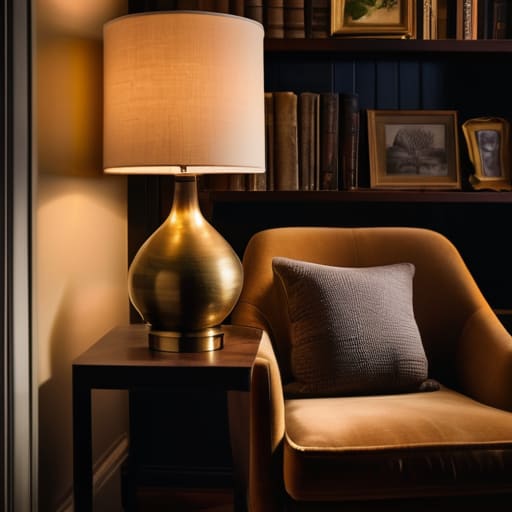
First things first: please, for the love of all things peaceful, turn off those overhead “big lights.” Nothing kills a mood faster than a harsh, clinical glare hitting you the second you walk through the door. If you want to master warm lighting for living rooms without turning your space into a cluttered mess of cords and lamps, the secret is layering. Instead of one massive floor lamp, try a couple of small, cordless LED puck lights tucked into bookshelves or a single, well-placed task lamp near your reading chair. It’s about creating pockets of light that guide your eyes rather than flooding the entire room.
I’m a big believer in low-impact atmosphere. If you’re short on surface space, look into smart bulbs that you can dim via your phone. It’s a total game-changer for creating a sanctuary at home because you can shift the vibe from “productive afternoon” to “unwinding evening” without moving a single piece of furniture. It keeps the floor clear and the visual noise to a minimum, which is exactly what we need when life feels a little too loud.
Textile Layering Techniques That Actually Survive Real Life
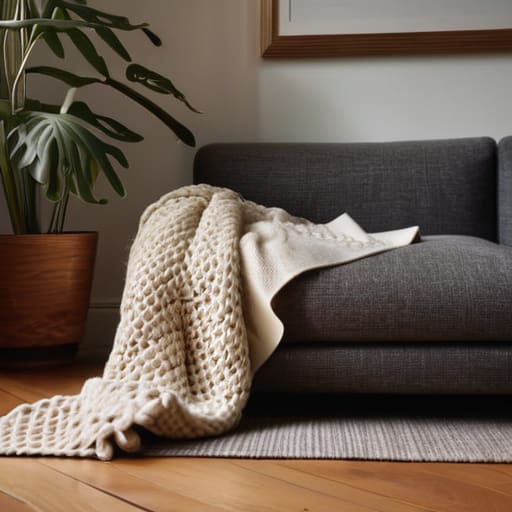
Here is the reality of textile layering: if you pick a delicate, cream-colored silk throw for your sofa, you aren’t creating a sanctuary at home—you’re creating a high-maintenance chore. I’ve learned the hard way that true comfort comes from fabrics that can actually handle a spilled glass of wine or a frantic Tuesday evening. Instead of chasing a specific “aesthetic,” I focus on durability and texture. Think heavy-weight linen, chunky cotton knits, or even a well-loved wool rug. The goal is to mix different weights so your space feels layered and intentional, not like a showroom where you’re afraid to sit down.
When it comes to practical textile layering techniques, I always follow the “rule of three.” Start with a solid base—like a sturdy cotton sofa cover—add a medium-weight knit blanket for visual interest, and finish with a couple of textured pillows. This builds depth without making the room feel like a storage unit for extra bedding. By mixing matte surfaces with slightly more tactile weaves, you create a sense of sensory richness that makes the room feel lived-in and inviting, rather than just another staged corner of the internet.
Five Small Wins for a Cozier, Less Chaotic Home
- Scent isn’t just about expensive candles; it’s about finding a “home smell” that doesn’t trigger a headache. I love simmering a pot of cinnamon and orange peels on the stove—it’s cheap, lasts for hours, and feels way more intentional than a synthetic spray.
- Clear your visual noise. You can’t feel relaxed if your eyes are constantly jumping from a pile of mail to a tangled mess of charging cables. Dedicate just ten minutes a night to a “surface sweep” so your cozy corners don’t get buried under daily life.
- Bring in some greenery, but keep it realistic. If you’re like me and occasionally forget to water things, skip the high-maintenance ferns and grab a pothos or a snake plant. A little bit of life makes a room feel lived-in rather than just staged.
- Create “zones” for different moods. If your living room is also your office, it’s hard to switch off. Try using a small rug or even just a different lamp to signal that “work time” is over and “cozy time” has officially begun.
- Don’t fear the “imperfect” decor. A stack of well-loved books or a vintage tray I found at a thrift store adds way more soul to a room than a matching set of expensive, sterile accessories. If it makes you smile, it belongs in your space.
## The Real Meaning of Cozy
“Cozy isn’t about buying a dozen expensive throw pillows you’re too afraid to actually sit on; it’s about creating a space that feels like a deep exhale the second you walk through the door.”
Audrey Lin-McCallum
The Cozy Reality Check

At the end of the day, making a home feel cozy isn’t about a massive weekend renovation or buying every expensive candle on your feed. It’s about the small, intentional shifts we talked about: swapping out that harsh overhead light for a warm lamp, layering in a few actually durable textiles, and clearing just enough clutter to let your space breathe. When you focus on lighting and textures that suit your actual habits, you aren’t just decorating; you’re building a sanctuary that supports your real-world routine rather than fighting against it.
Please remember that your home is meant to be lived in, not just looked at. If a beautiful velvet pillow is too high-maintenance for your Sunday afternoon naps, ditch it. If a perfectly curated bookshelf feels too stiff for your chaotic life, leave the stack of half-read paperbacks on the coffee table. The goal is to create a space that feels like a warm hug the moment you walk through the door, not a museum that requires a checklist to enjoy. Build your systems, find your comfort, and let the rest of the perfectionism slide.
Frequently Asked Questions
How do I make a small, cramped apartment feel cozy without it feeling like I'm just hoarding stuff?
The secret is focusing on sensory depth rather than physical volume. Instead of adding more “stuff,” swap out harsh surfaces for texture. Think a single chunky knit throw or a jute rug—things that add warmth without taking up square footage. I also swear by scent; a subtle candle or diffuser makes a cramped corner feel intentional rather than crowded. It’s about upgrading the feel of what you already have, not filling the gaps.
I love the idea of warm lighting, but how do I do it without having a million messy cords running across my floor?
I hear you—nothing kills a “cozy vibe” faster than a literal nest of tangled black wires snaking across your rug. I used to struggle with this constantly. My go-to move? Battery-operated LED puck lights or rechargeable cordless lamps. They’re game-changers for bookshelves or side tables. If you must use plugs, grab some adhesive cord clips to tuck the wires along your baseboards. It keeps the floor clear and the aesthetic actually intentional.
What are some low-maintenance ways to add texture to a room if I don't have the time for constant laundry and fluffing pillows?
Honestly, I get it. If I had to fluff decorative pillows every time I sat down to work, I’d lose my mind. Instead of high-maintenance velvet, try bringing in natural textures that actually look better when they’re a little lived-in. Think a chunky jute rug, a woven seagrass basket for your extra blankets, or even a textured linen throw. These add depth and warmth without requiring a weekly trip to the dry cleaners.