I was standing in my driveway last Saturday, staring at a mountain of half-empty paint cans and tangled extension cords, wondering if I actually owned a car or just a very expensive storage unit for stuff. We’ve all seen those hyper-curated videos where people install custom floor-to-ceiling cabinetry and color-coded bins that look like they belong in a museum, but let’s be real: that’s not how life works. Most of us aren’t looking for a showroom; we’re just trying to figure out how to organize your garage so we can actually find the screwdriver without having a minor existential crisis.
I’m not here to sell you on a thousand-dollar shelving system that will be buried under holiday decorations by next November. Instead, I want to share the gritty, low-cost systems I’ve built in my own cramped spaces—the kind that actually survive a busy work week. We’re going to focus on functional zones and realistic storage that respect your time and your budget. No fluff, no expensive aesthetic nonsense, just a straightforward plan to help you reclaim your space and your sanity.
Table of Contents
A Realistic Garage Decluttering Checklist for Busy People
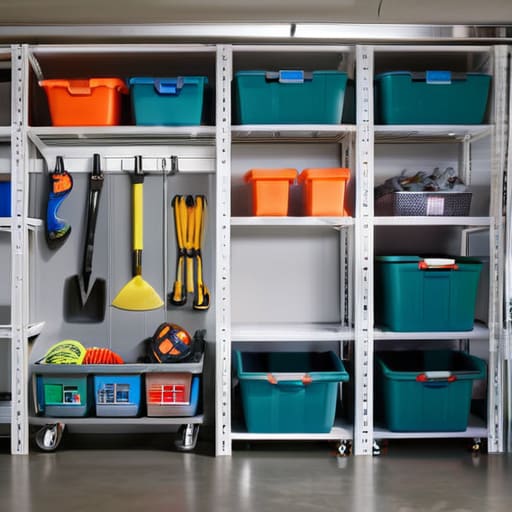
Look, I know the thought of tackling the garage feels like staring down a mountain of junk, but we aren’t going to do it all in one frantic Saturday. Instead, I want you to use this garage decluttering checklist as a guide for small, manageable wins. Start by grouping “like with like.” Grab some heavy-duty bins and separate your stuff into categories: garden tools, holiday decor, automotive supplies, and sports gear. If you haven’t touched it in two years and it doesn’t have sentimental value, it’s time to let it go.
Once you’ve cleared the floor, it’s time to think about how to reclaim your square footage. This is where we stop treating the garage like a graveyard for old boxes and start looking at vertical garage storage ideas. I’m a huge fan of pegboards or heavy-duty wall tracks; getting those rakes and screwdrivers off the ground is a total game-changer. If you’re working with limited space, don’t feel pressured to buy a massive, expensive system right away. Just focus on clearing a path so you can actually walk from your car to your door without playing a high-stakes game of obstacle course.
Finding Garage Storage Solutions That Actually Last
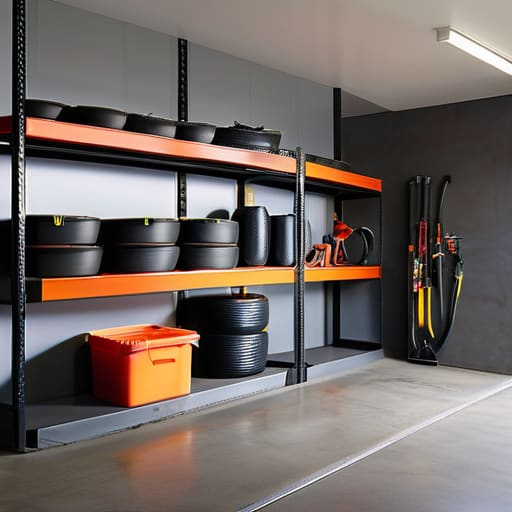
Once you’ve actually finished that decluttering checklist (and let’s be honest, that’s the hardest part), you’re going to be tempted to run straight to the hardware store and buy every plastic bin in sight. Resist that urge. The secret to garage storage solutions that don’t fall apart after three months of actual use is choosing materials that match your lifestyle. If you’re constantly moving heavy bins or tools, cheap plastic won’t cut it; you’ll want heavy-duty metal garage shelving systems that can actually handle the weight without bowing in the middle.
My biggest tip? Stop thinking about floor space and start looking up. When I was trying to make sense of my tiny storage nook, I realized that the floor is where things go to die. I leaned heavily into vertical garage storage ideas—think pegboards for the small stuff and wall-mounted tracks for the larger gear. By getting everything off the ground, you aren’t just cleaning up; you’re creating a system that stays functional even when life gets messy. It’s about building a space that works with you, not against you.
Five Rules for a Garage That Doesn't Fight Back
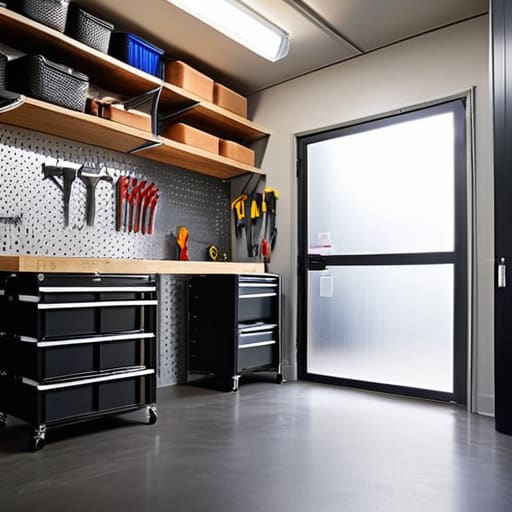
- Stop the “floor creep” by getting everything off the ground. If it’s sitting on the concrete, it’s basically just clutter waiting to happen; use wall tracks or heavy-duty shelving so you can actually sweep the floor without moving a mountain of boxes.
- Group your gear by “mission” rather than by size. Instead of a random pile of tools, create a dedicated zone for car maintenance, one for gardening, and one for seasonal stuff like holiday decor—it makes finding what you need way less of a scavenger hunt.
- Invest in clear, labeled bins instead of those opaque plastic totes. There is nothing more frustrating than being halfway through a project only to realize the specific screws you need are buried in a solid black box you can’t see into.
- Use your vertical space like it’s prime real estate. Those empty inches of wall between your workbench and the ceiling are gold mines for hanging bikes, folding chairs, or even those long-handled garden tools that always seem to end up in a heap.
- Be ruthless with the “maybe” pile. If you haven’t touched that rusted lawnmower part or that half-empty gallon of mystery liquid in two years, it’s not a tool—it’s just taking up space that could be used for something actually useful.
The Real Goal of Organizing
“Forget the dream of a showroom-ready workshop. The real win isn’t having a garage that looks like a magazine spread; it’s having a space where you can actually find your drill without moving three piles of cardboard first.”
Audrey Lin-McCallum
Your Garage, On Your Terms
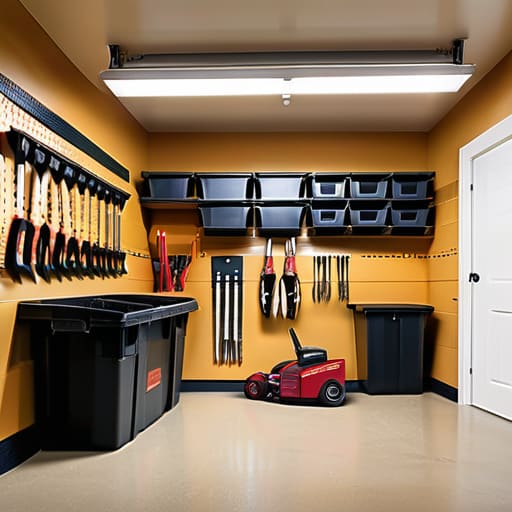
Look, we aren’t trying to turn your garage into a high-end showroom or a museum of pristine organization. We’re just trying to get to a place where you aren’t tripping over a rogue lawnmower or digging through a mountain of cardboard boxes just to find a single screwdriver. By sticking to a realistic decluttering checklist and investing in storage solutions that actually hold up to real-world use, you’ve already done the heavy lifting. You’ve moved past the “everything is a mess” phase and into the “I actually know where my stuff is” phase, which is a massive win in my book.
If you feel a little overwhelmed right now, just remember that a functional space is a marathon, not a sprint. You don’t have to finish the entire floor in one Saturday afternoon; sometimes, just clearing one shelf or labeling one bin is enough to break the cycle of chaos. The goal isn’t perfection—it’s sanity. Build your systems bit by bit, let them evolve as your needs change, and most importantly, make sure they work for your actual, messy, busy life. You’ve got this.
Frequently Asked Questions
I have zero floor space left; how do I start organizing when I can't even walk through the garage?
First, take a deep breath. I’ve been there—standing in a doorway, staring at a mountain of stuff, feeling like I can’t even make a move. Don’t try to “organize” yet; you can’t organize chaos. Instead, focus on a “pathway strategy.” Grab a heavy-duty trash bag and clear just one narrow lane from the door to your workbench. Once you have a walking path, the mental overwhelm starts to lift. One square foot at a time.
Is it actually worth investing in expensive heavy-duty shelving, or can I just make do with what I have?
Look, I’m all for a good thrifted find, but don’t let “making do” turn into a structural hazard. If you’re storing lightweight bins of holiday decor or gardening supplies, old plastic shelving or even some sturdy wooden planks will do just fine. But if you’re planning to stack heavy power tools or jugs of coolant, please—invest in the heavy-duty stuff. It’s not about the aesthetic; it’s about not having a collapse at 2 AM.
How do I stop the "clutter creep" from happening again three months after I've finally finished organizing?
The secret isn’t a better bin; it’s a better “landing strip.” Clutter creep happens when your systems are too precious to actually use. If you have to unclip three latches just to put away a screwdriver, that screwdriver is going on the floor. Create “low-friction” zones—open bins for frequently used stuff and clear labels that don’t require a PhD to read. If a system feels like a chore, you won’t do it. Keep it lazy, and it’ll actually stick.