I am so tired of seeing those “dream entryway” posts on Instagram where everything is white, airy, and completely devoid of actual human life. You know the ones—the pristine little benches with zero storage and those delicate wicker baskets that look beautiful until you try to shove a damp umbrella or a pair of muddy sneakers into them. Real home entry organization isn’t about achieving a curated, museum-like aesthetic; it’s about surviving the frantic ten minutes between waking up and leaving the house. If your current system involves a “doom pile” of mail and a rogue pile of shoes by the door, you aren’t failing—you just haven’t built a system that actually accounts for your reality.
I’m not here to sell you a $500 designer console table or a set of matching linen bins that will be empty in a week. Instead, I want to share the gritty, functional methods I’ve used to turn my own cramped apartment transitions from a source of morning anxiety into something that just works. We’re going to focus on low-maintenance systems and smart, small-space hacks that prioritize utility over looks. My promise to you is simple: no fluff, no expensive nonsense, just practical ways to reclaim your space so you can stop fighting your front door and start moving through it with ease.
Table of Contents
Small Entryway Organization Ideas for Real Life Chaos
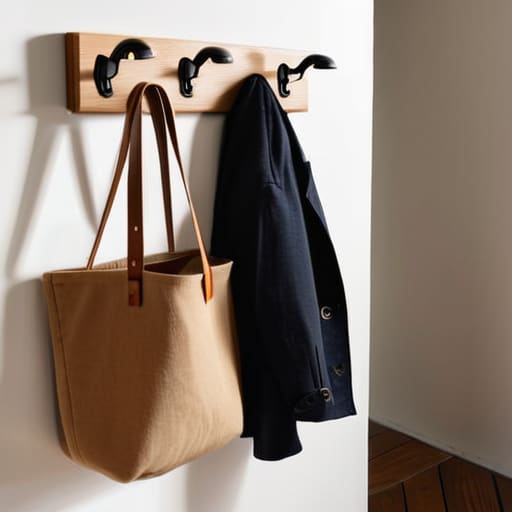
If you’re living in a place where your “entryway” is basically just a three-foot stretch of floor next to the radiator, I get it. You don’t need a custom-built built-in to make things work. When I was first moving into my tiny apartment, I realized that organizing mail and keys was the difference between finding my essentials in thirty seconds or losing my mind ten minutes before a meeting. A simple, wall-mounted command center—think a slim floating shelf or even just some heavy-duty hooks—can act as a landing strip for your life. It’s not about looking like a showroom; it’s about creating a designated spot so your stuff stops migrating toward the kitchen table.
For those dealing with actual shoe piles, look into verticality. Since floor space is a premium, I’m a huge advocate for using the walls. Slim, over-the-door organizers or a narrow shoe rack can provide some much-needed mudroom storage solutions without requiring a renovation. The goal isn’t to hide the mess entirely, but to give it a boundary. When everything has a specific “home,” the chaos feels a lot more intentional and a lot less like a landslide.
Mudroom Storage Solutions That Survive a Monday Morning
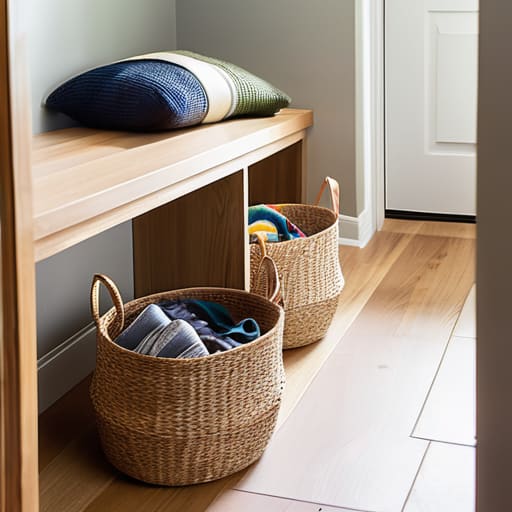
If you’re lucky enough to have a dedicated mudroom, don’t let it become a graveyard for single socks and half-empty gym bags. The secret to mudroom storage solutions that actually last is creating a “launchpad” mentality. Instead of trying to hide everything behind closed doors—which just leads to a cluttered mess once those doors inevitably stay open—try using open cubbies or sturdy baskets for things like kid’s shoes or seasonal gear. I’ve found that if a system requires too much effort to maintain, it’s going to fail by Tuesday. Aim for low-friction storage where you can literally just toss things in and know they have a home.
For the stuff that usually ends up scattered across the kitchen counter, I’m a huge advocate for a dedicated station for organizing mail and keys. A simple wall-mounted rack or even a heavy-duty command hook can save you ten minutes of frantic searching every single morning. It’s not about achieving a magazine-ready look; it’s about making sure your essentials are exactly where you left them when you’re already running five minutes late.
5 Low-Effort Wins for an Entryway That Actually Works
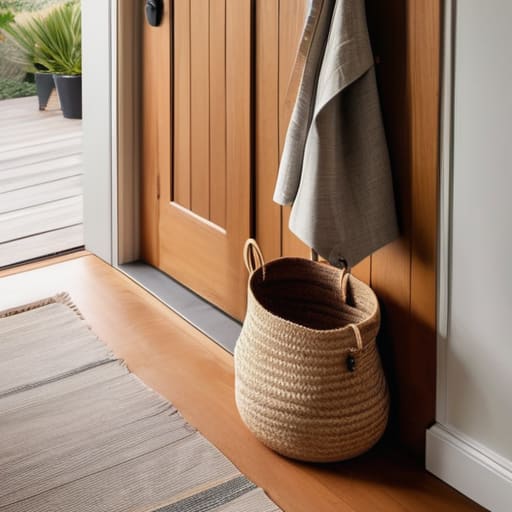
- Stop the “key hunt” by installing a heavy-duty hook right at eye level. Don’t worry about matching your decor; if it’s the first thing you see when you walk in, you’ll actually remember to use it.
- Create a “landing strip” with a single, sturdy basket for the junk that accumulates—mail, sunglasses, or that random receipt you’ll probably never look at. If it doesn’t have a home, it goes in the basket.
- Invest in a shoe tray instead of a rack if you live somewhere with actual weather. It’s much easier to dump out a plastic tray once a week than it is to scrub mud out of a woven basket or off your floorboards.
- Use vertical space for the stuff that usually ends up in a pile on the floor. A simple wall-mounted mail sorter or a few floating shelves can clear up the floor space you need to actually walk through the door.
- Implement a “one-in, one-out” rule for seasonal gear. When the heavy winter coats come out of storage, the light spring jackets need to go back into a bin or the closet. If you keep everything in the entryway at once, you’ve already lost the battle.
The Real Goal of an Entryway
“An entryway shouldn’t be a museum piece you’re afraid to touch; it should be a landing pad that catches your chaos so you don’t have to carry it into the rest of your life.”
Audrey Lin-McCallum
Making It Stick
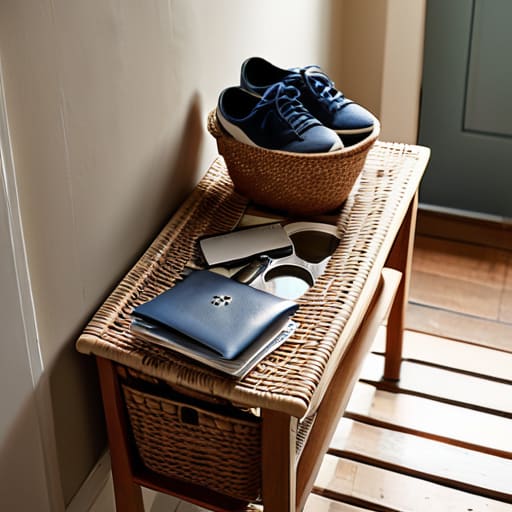
At the end of the day, whether you’re hacking a tiny studio entryway with some command hooks or finally setting up a dedicated mudroom zone, the goal isn’t to win a design award. It’s about creating a landing strip that actually supports your lifestyle instead of adding to your mental load. We’ve talked about everything from maximizing vertical space to choosing bins that can actually handle a week’s worth of rogue sneakers and mail. The common thread here is that functionality has to come first. If your organizational system requires you to be a professional minimalist just to find your car keys, then it’s a bad system. Focus on the high-traffic spots, prioritize the items you lose most often, and let the rest of the aesthetic details follow once the chaos is contained.
Please, give yourself some grace as you implement these changes. I know from experience that a new system usually survives about forty-eight hours before life happens and things get messy again. That’s okay. An entryway isn’t a museum; it’s a transition zone. If you find yourself tripping over a pile of shoes on a Tuesday, don’t scrap the whole plan. Just take five minutes to reset the zone and try again. We aren’t aiming for a curated showroom; we are just trying to build a home that works for us. You’ve got this.
Frequently Asked Questions
I have zero floor space—can I actually make this work using just wall-mounted solutions?
Oh, absolutely. Honestly, if you have zero floor space, wall-mounted solutions aren’t just an option—they’re your best friend. I’ve lived in apartments where the “entryway” was basically a hallway, so I swear by verticality. Think floating shelves for your mail, heavy-duty hooks for those bulky coats, and maybe a wall-mounted key rack. If it’s off the floor, it’s not a tripping hazard. Let’s stop fighting the square footage and start using your walls.
How do I stop the "junk drawer" effect from happening in my entryway baskets within a week?
The “basket abyss” is real, and it usually happens because we’re treating them like catch-alls instead of actual systems. To fix it this week, stop the “drop and run” habit. Grab a few small dividers or even just some empty mason jars to create zones within the basket—one for keys, one for mail, one for sunglasses. If it doesn’t have a specific “home” inside that basket, it doesn’t belong in there. Keep it simple.
What’s the best way to organize shoes when I have a tiny apartment and a lot of footwear?
Look, if you’re living in a shoebox, the “one pair per person” rule is a lie. I’ve been there. My first move? Go vertical. Over-the-door clear pocket organizers are absolute lifesavers for flats and sandals—they keep the floor clear and everything visible. For the bulkier stuff, I swear by slim, stackable shoe boxes or even those tension rods in a small nook. It’s not about looking like a boutique; it’s about not tripping over a sneaker at 2 AM.