I used to think that learning how to season food required a degree in chemistry or a pantry stocked with twenty-dollar jars of artisanal saffron and smoked salts I’d never actually use. Growing up in a tiny apartment where counter space was a premium, I didn’t have room for a spice library; I had a single, crowded rack and a lot of guesswork. I spent way too many nights staring at a bland, sad-looking chicken breast, feeling like I was failing a test I hadn’t even studied for, all because the internet made cooking feel like a high-stakes science experiment rather than just making dinner.
Look, I’m not here to sell you on expensive gadgets or complicated flavor profiles that take three hours to prep. I want to show you that mastering how to season food is actually about building intuition, not following a rigid set of rules. We’re going to focus on the practical, “use what you have” methods that work when you’re tired, busy, or just trying to get something edible on the table. My goal is to help you stop second-guessing every pinch of salt and start trusting your own tastes and instincts.
Table of Contents
Essential Spice Pantry Staples for Real Life
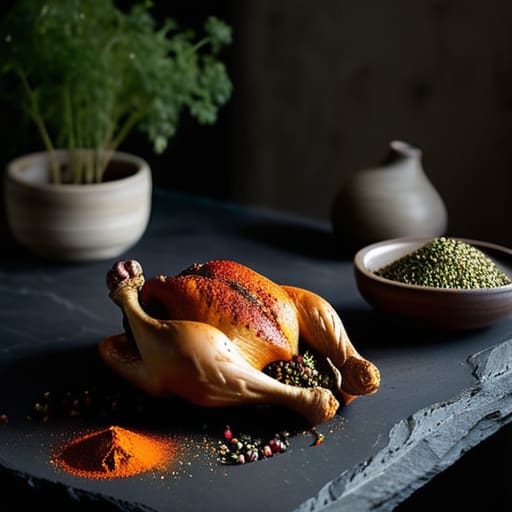
Look, I don’t have the mental bandwidth (or the cabinet space) for a hundred different glass jars that all look the same but smell like nothing. When I’m pivoting from a client call to making dinner, I need a toolkit that actually performs. My go-to list of essential spice pantry staples is pretty lean: kosher salt, coarse black pepper, smoked paprika, garlic powder, and dried oregano. These are my heavy lifters. They don’t just add flavor; they provide the foundation for enhancing natural flavors in almost anything, from a quick roasted veggie tray to a basic chicken breast.
If you want to move past just “making it taste okay” and start actually building depth, you need a few more players. I always keep cumin, chili powder, and maybe some red pepper flakes on hand for heat. The real secret, though, is understanding how to build umami flavor profiles without a chemistry degree. Adding a bit of onion powder or even a dash of soy sauce can transform a bland stew into something that feels intentional. It’s not about having a gourmet collection; it’s about having the right tools for the job.
When to Season Meat for Maximum Flavor
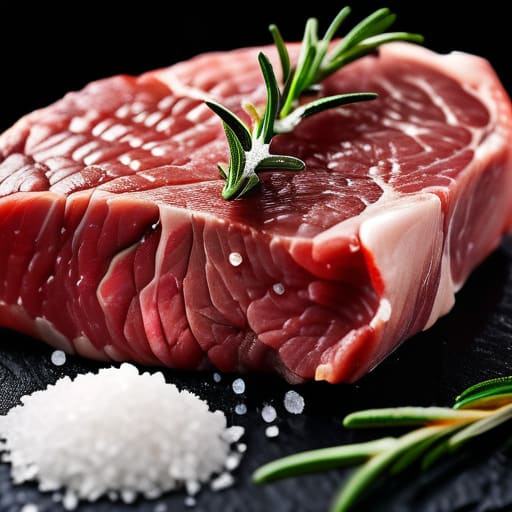
If you ask my dad, he’ll tell you the secret is all in the timing, and honestly, he’s not wrong. When it comes to when to season meat, the biggest mistake I see people make is waiting until the pan is screaming hot to start. If you’re working with a steak or a thick chicken breast, I’m a huge advocate for salting it well in advance—ideally 45 minutes before it hits the heat. This gives the salt time to penetrate the muscle fibers rather than just sitting on the surface. It’s one of those small, lazy-friendly hacks that makes a massive difference in enhancing natural flavors without requiring any extra equipment.
That said, don’t feel like you have to do everything at once. I like to use layering seasoning techniques to build depth. Start with that heavy hit of salt early on, but save your more delicate herbs or garlic powder for the last few minutes of cooking. If you toss dried herbs into a ripping hot pan too early, they’ll burn and turn bitter, which is the last thing you want. It’s all about building that flavor profile in stages so the end result actually tastes like something you’d pay for at a restaurant.
Five Rules of Thumb to Stop the Seasoning Stress
- Salt early, but don’t be afraid to salt late. If you’re cooking something like a stew or roasted veggies, get that salt in there early so it penetrates the food rather than just sitting on the surface. But, if you’re serving something delicate, keep a little flaky salt handy to hit it right before it reaches the table for that extra pop.
- Taste as you go—honestly, it’s the only way. I know it sounds like “Chef 101” nonsense, but you can’t know if a dish needs more acidity or more salt if you haven’t actually put a spoon in your mouth. Keep a small tasting spoon nearby and make it a habit.
- Don’t forget the acid. If you’ve added salt and spices and the dish still feels… flat or heavy, don’t reach for more salt. Reach for a squeeze of lemon or a splash of vinegar. Acid is like a volume knob for flavor; it brightens everything up without making it saltier.
- Layer your flavors instead of dumping everything in at once. Think of it like building a project: you need your base (like garlic or onion), your heavy hitters (the dried spices), and your finishing touches (fresh herbs or zest). If you toss everything in at the start, you often lose those bright, nuanced notes.
- Trust your palate over the recipe. Recipes are just suggestions, and frankly, they don’t know how much salt your specific brand of butter has or how potent your dried oregano is today. If the recipe says a teaspoon but your gut says two, go with your gut. If it tastes good to you, it’s right.
The Golden Rule of Flavor
“Forget the complicated ratios and the fancy culinary terms for a second. Seasoning isn’t a math problem you need to solve; it’s just a conversation between you and your food. If it tastes flat, add a pinch of salt. If it feels boring, add some heat. If you’re still unsure, just taste it—your taste buds are way more reliable than any recipe you’ll find online.”
Audrey Lin-McCallum
Trust Your Palate
At the end of the day, seasoning isn’t some complex chemistry experiment you need to pass; it’s just about making sure your food doesn’t taste like nothing. We’ve covered the basics—keeping a solid lineup of spices in your pantry, knowing when to hit that meat with salt, and not being afraid to taste as you go. Whether you’re throwing together a quick midweek stir-fry or prepping something a bit more intentional, the goal is the same: building layers of flavor that make a meal feel complete. Don’t feel like you need a gourmet spice rack to get this right; just use what you have and keep it simple.
I know that when you’re staring at a pile of dishes or a long to-do list, the last thing you want to do is stress over “perfect” seasoning. But here is the secret: your kitchen should work for you, not the other way around. If a dish needs another pinch of salt or a dash of pepper, add it. If it tastes great exactly as it is, leave it alone. Cooking is supposed to be a tool for nourishment, not another source of overwhelm. So, grab your spatula, trust your instincts, and remember that progress is better than perfection—even if that progress is just a really well-salted piece of chicken.
Frequently Asked Questions
How do I know if I've added too much salt without ruining the whole dish?
First, don’t panic—it happens to the best of us. If it’s just a little heavy, try adding an acid like a squeeze of lemon or a splash of vinegar; it helps balance the saltiness. If you’re making something like a soup or stew, you can actually toss in a peeled, halved potato to soak up some of the excess. It’s not a perfect fix, but it’ll save your dinner.
Can I use pre-mixed spice blends, or is it better to stick to individual seasonings?
Honestly? Use both. If I’m having a long day and the thought of measuring out five different jars feels like a chore, I’m reaching for a pre-mixed blend without a second thought. Life is too short to stress over spices when a good taco seasoning or curry powder does the heavy lifting for you. Just keep the individual staples on hand for when you want to tweak the salt or heat levels yourself.
Does it actually matter if I season my veggies before or after they go in the pan?
Honestly, it’s a bit of both, but if you want to get technical: season them before they hit the heat. Salt helps draw out just enough moisture to help them soften without turning into a mushy mess. That said, I always do a “finish” seasoning right before serving, too. A little extra hit of salt or a crack of pepper at the end wakes everything up. Don’t stress it—just make sure you taste as you go.