I used to think that if I didn’t own a $50 set of matching, airtight glass canisters, I was somehow failing at adulthood. I spent way too much money on “aesthetic” organizers only to realize that my life doesn’t actually happen in a Pinterest board. The truth is, most of the advice you see online about how to store food properly is designed to sell you more plastic, not to actually help you stop wasting groceries. I’ve spent years trial-and-erroring my way through cramped kitchens and tiny fridges, and I’ve learned that function beats fashion every single time.
I’m not here to tell you to buy a specialized vacuum sealer or a color-coded pantry system that takes three hours to maintain. Instead, I want to share the low-maintenance, slightly messy systems that actually work for a busy, real-world schedule. We’re going to talk about using what you already have to keep your produce from turning into mush and your leftovers from becoming science experiments. This is about building a sustainable routine, not a curated museum of Tupperware.
Table of Contents
Mastering Refrigerator Temperature Settings for Real Life
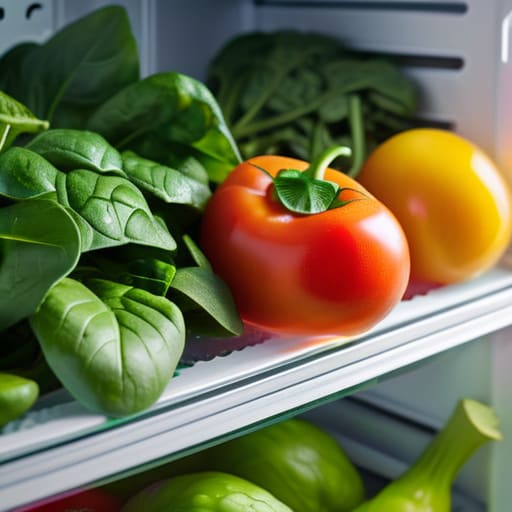
Look, I know we’ve all been there—staring at a wilted bag of spinach and wondering why our expensive groceries didn’t last the week. Most of the time, it isn’t your fault; it’s usually just a calibration issue. Getting your refrigerator temperature settings dialed in is one of those tiny, boring tasks that makes a massive difference in preventing food spoilage. Ideally, you want your fridge sitting somewhere between 37°F and 40°F. If it’s too warm, your milk is going to turn before you can even finish a cereal bowl; if it’s too cold, you’re basically turning your crisper drawer into an accidental icebox.
I used to ignore the little dial entirely, but once I started checking it with a cheap thermometer, everything changed. It’s not about being a perfectionist; it’s about making your food last longer so you aren’t throwing money in the trash every Sunday. If you notice your produce is turning to mush or your yogurt is acting suspicious, give that dial a quick adjustment. It’s a five-second fix that actually respects your budget and your schedule.
The Low Maintenance Guide to Preventing Food Spoilage
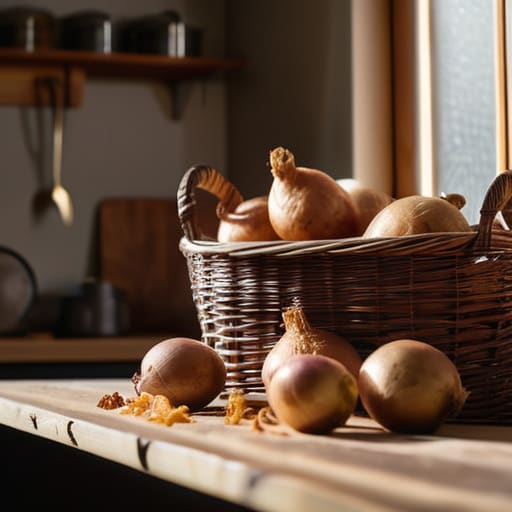
Look, we’ve all been there: you open the crisper drawer only to find a bag of liquid sadness that used to be spinach. Most of the time, it’s not because you’re “bad” at grocery shopping; it’s just that our storage habits aren’t working with our actual lives. One of the easiest ways to start preventing food spoilage without turning your kitchen into a laboratory is to stop treating every vegetable the same. For example, keep your onions and potatoes far away from each other—they actually speed up each other’s decay.
If you want to get a little more tactical, don’t feel pressured to buy a matching set of expensive glass jars. While there are plenty of airtight container benefits to exploit, the real win is simply getting air out of the equation. Even a simple reusable silicone bag or a well-sealed Tupperware can significantly extend the shelf life of common groceries like berries or sliced cheese. It’s about creating small, repeatable habits that save you money and, more importantly, save you from that mid-week “what am I even going to eat?” meltdown.
Five Ways to Stop Throwing Money in the Trash
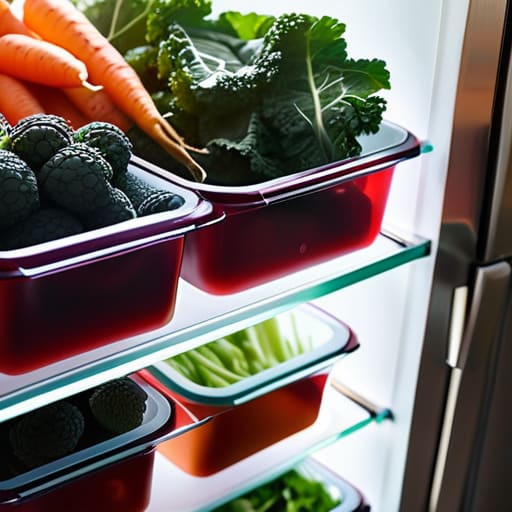
- Stop obsessing over those matching glass canisters you saw on Pinterest; if you have old Tupperware or even just some reusable silicone bags, use them. The goal is to get air out and moisture contained, not to have a perfectly color-coordinated pantry.
- Learn the “First In, First Out” rule without making it a chore. When you get home from the grocery store, just shove the new stuff toward the back of the shelf and pull the older items to the front. It takes ten seconds and prevents that “mystery science project” growing in the back of your crisper drawer.
- Give your greens a little breathing room. I used to cram everything into one bag, but now I just tuck a paper towel into my lettuce container to soak up the extra moisture. It’s a tiny tweak, but it keeps things from turning into slime halfway through the week.
- Use your freezer as your safety net, not a graveyard. If you realize you aren’t going to finish that half-loaf of bread or that batch of sauce by Friday, portion it out and freeze it immediately. It’s way better than letting it go moldy and feeling guilty about it later.
- Keep your onions and potatoes far away from each other. I learned the hard way that storing them in the same bin is a recipe for mushy, sad vegetables. Keep the aromatics in a cool, dark spot, and keep the spuds in their own little corner.
## The Reality of Food Management
“Stop trying to turn your kitchen into a Pinterest board of matching glass jars; if a system is too precious to maintain when you’re tired after a long workday, it’s not a system—it’s just another chore.”
Audrey Lin-McCallum
Making It Stick
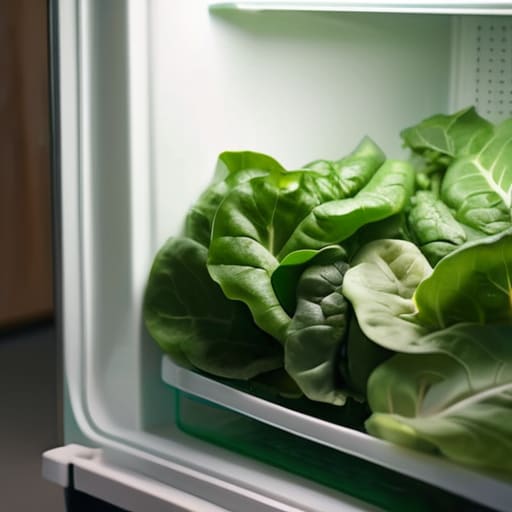
At the end of the day, getting your food storage under control isn’t about having a Pinterest-perfect pantry or a collection of matching glass jars that cost more than your weekly grocery bill. It’s really just about the basics: keeping your fridge at the right temp, knowing which veggies hate being near each other, and actually using the containers you already own. If you can manage to toss your leftovers into a clean bowl instead of leaving them in a random takeout container, you’ve already won half the battle. Focus on the small, low-maintenance shifts that prevent that sad, wilted bag of spinach from becoming a science project in the back of your crisper drawer.
Please, give yourself some grace here. Some weeks you’ll be a meal-prepping machine with everything labeled and tucked away, and other weeks you’ll be eating cereal out of a mug because you forgot to defrost the chicken. That is perfectly okay. The goal isn’t to achieve some impossible standard of domestic perfection; it’s simply to build a system that works for your actual life. Once you stop fighting your kitchen and start working with what you have, you’ll find that you have more money in your bank account and way less stress at dinnertime. You’ve got this.
Frequently Asked Questions
I don't have a pantry; how do I keep my dry goods from getting stale or attracting bugs in a tiny kitchen?
Look, I’ve lived in apartments where the “pantry” was just a single, crowded shelf above the stove. If you don’t have dedicated space, stop trying to buy a massive organizational system. Instead, grab a handful of cheap, stackable airtight containers or even just heavy-duty Ziplocs. Get those grains and crackers out of their flimsy original bags immediately—that’s how you keep moisture out and, more importantly, keep the pantry moths from moving in.
Is it actually worth buying those expensive glass containers, or can I just keep using the mismatched plastic ones I already have?
Look, I get the temptation. Those matching glass sets look incredible on Instagram, but unless you’re actually enjoying the process, they’re just expensive clutter. If your mismatched plastic containers are clean and seal well, keep using them. They’re lighter, easier to pack for lunch, and frankly, they don’t break when you drop them. Save your money for better ingredients. Once you run out of usable plastic, then we can talk about a slow upgrade to glass.
How do I figure out what to eat before it goes bad without spending my entire Sunday meal prepping?
Look, I’m not a meal-prep devotee; I don’t have the energy for five hours of Tupperware stacking every Sunday. Instead, try the “First In, First Out” rule—it sounds fancy, but just move the older stuff to the front of the shelf. I also keep a “Use Me First” bin in my fridge for those lonely half-onions or wilting spinach. It’s a visual nudge to cook what’s actually there before it turns into science experiments.